Jodie Taylor

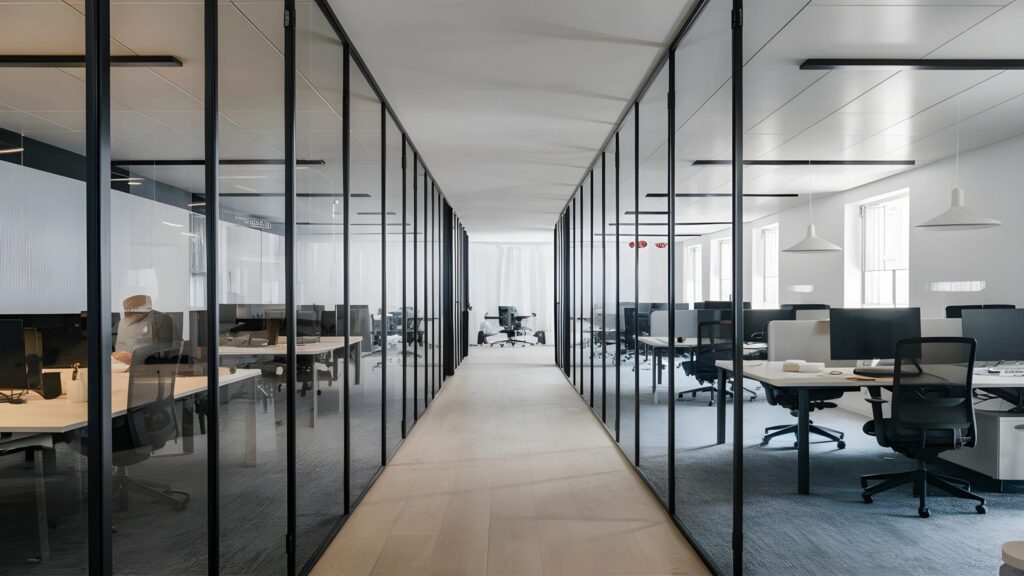
glass partition in office

Can Toughened Glass Be Cut?

Can Toughened Glass Be Cut? Toughened glass, often referred to as safety glass, is renowned for its strength and durability. Unlike regular glass, tempered glass undergoes a rigorous manufacturing process that enhances its resilience, making it a popular choice in various applications, from windows to roof lanterns and more. However, a common question often arises: can toughened glass be cut? This blog post will talk you through the properties of tempered glass, the manufacturing process, and the implications of cutting or drilling it. Specifically, we will address why it is not feasible to cut toughened glass without compromising its structural integrity and safety features. What is Toughened Glass? Toughened glass is created through a specialised thermal process that significantly increases its strength compared to standard glass. This process involves heating the glass to high temperatures and then rapidly cooling it, creating internal stresses that enhance its durability. Tempered glass is known for its strength making it particularly valuable in situations where resistance to breakage and potential injury is a priority, such as in glass doors and windows, shower screens, and commercial buildings. Understanding Toughened Glass Tempered glass, also known as toughened glass, is a type of safety glass that has been treated to significantly enhance its strength and durability. The tempering process involves heating the glass to a high temperature, typically around 700°C, and then rapidly cooling it. This rapid cooling creates internal stresses within the glass, which are responsible for its increased strength and resistance to impact. The tempering process not only makes the glass much stronger than standard glass but also alters the way it breaks. Instead of shattering into sharp, jagged pieces, tempered glass breaks into small, blunt fragments, reducing the risk of injury. This safety feature makes tempered glass an ideal choice for applications where both strength and safety are paramount, such as in glass doors, shower screens and commercial buildings. The Tempering Process 1.     Heating The heated glass is brought to approximately 700°C. This step is crucial as it prepares the glass for the toughening process. 2.     Cooling After heating, cold air is applied quickly to the glass, causing the outer surface to cool rapidly while the inner part remains hot. This temperature difference creates tension within the glass. 3.     Final Product The result is a glass panel that is four to five times stronger than its non-toughened counterpart. In the event of breaking, toughened glass shatters into small, blunt pieces, reducing the risk of injury. Properties of Toughened Glass Strength – Its increased strength makes it ideal for high-impact applications. Safety – The way it breaks into small pieces minimises the risk of severe injuries. Thermal Resistance – Toughened glass can withstand high temperatures, making it suitable for various environments. Wondering how you would know if your toughened glass is made to the correct safety standards? Find out about toughened stamps here! Can Toughened Glass Be Cut? The straightforward answer is no; once toughened glass has completed its manufacturing process, it cannot be cut, drilled, or altered. Attempting to do so will cause the glass to shatter. Challenges of Cutting Toughened Glass Cutting tempered glass presents significant challenges due to the internal stresses introduced during the tempering process. These stresses make the glass exceptionally strong and resistant to cutting or any form of manipulation. When an attempt is made to cut or drill toughened glass, the internal stress is disrupted, often causing the glass to shatter into small, blunt pieces. The difficulty in cutting tempered glass means that glaziers must use specialised tools and techniques to handle it. Even with these tools, the risk of the glass cracking or shattering remains high if not handled with extreme care. The tempering process makes the glass prone to sudden breakage when its structural integrity is compromised, which is why cutting this type of glass is generally not recommended once it has been tempered. Ideal Preparation Before Toughening Before undergoing the toughening process, glass must be accurately cut and shaped. This is crucial for ensuring that the final product meets specific design requirements. It is important to consult specialists early in the project for shaped glass units to ensure the glass can be designed and cut to the desired size and shape. Here’s how the process typically works: 1.     Initial Cutting The glass is cut to the desired dimensions before it enters the toughening furnace. 2.     Shaping Any necessary shapes must be created at this stage. 3.     Toughening Once the glass is shaped, it is placed in the furnace for the toughening process. Common Uses of Toughened Glass Doors and Windows Tempered or toughened glass is widely used in both residential and commercial buildings for doors and windows. Its strength and shatter-resistant properties make it ideal for areas where there is a higher risk of impact, such as entryways, sliding patio doors, or large windows. In these applications, it offers both safety and security without sacrificing visual clarity or aesthetics. Shower Enclosures In bathrooms, toughened glass is the standard material for shower screens and enclosures. It is well-suited for these environments because it can withstand moisture and temperature fluctuations, resisting the thermal stresses from hot water and steam. Additionally, its smooth surface is easy to clean, maintaining hygiene and longevity in wet areas. Glass Railings Toughened glass is also popular in glass balustrades and railings used in balconies, staircases, and terraces. Here, the glass serves as a safety barrier while providing a sleek, modern look that enhances the design without obstructing views. In these applications, the glass is often paired with stainless steel or other materials for additional structural support. Partition Walls Toughened glass is used in office partition walls and dividers to create transparent or frosted barriers between spaces. It ensures safety in high-traffic areas while offering a soundproof and visually appealing solution for open-plan designs. Furniture Items like glass tabletops, shelves, and cabinet doors often incorporate toughened glass to ensure durability and resistance to breakage in daily use. Its strength makes it perfect for

Can Toughened Glass Be Cut? Read More »

oversized glass units

What is a U-value?

What Is A U-Value? U-values are a critical aspect of building performance, particularly when it comes to glazing systems. They serve as a measure of thermal transmittance, indicating how effectively a window or door can prevent heat loss or gain. Wondering, what is a U-value? This blog post will talk you through implications for efficiency, and how they can influence your choice of glazing solutions. What is a U-value? U-values measure the rate of heat transfer through building elements, particularly windows and doors. This measurement indicates the effectiveness of materials in resisting heat flow, based on the temperature difference between the inside and outside. Expressed in watts per square meter per Kelvin (W/m²K), a lower U-value signifies better insulation properties. What’s the Difference Between U-value and R-value? It measures the thermal performance of building assemblies like insulated glass units (IGUs), whereas R-value is used to assess the insulation quality of other building components, such as walls, floors, and roofs. R-value measures thermal resistance, which is the ability of a material to resist heat flow. These two metrics are mathematically related, as they are reciprocals of each other. A lower U-value signifies better insulation, while a higher R-value indicates greater resistance to heat transfer. What About U-value and K-value? U-value and K-value both measure a material’s thermal transmittance, or how much heat passes through it. K-value specifically measures thermal conductivity, which is a material’s ability to conduct heat. K-values have been replaced by U-values for windows and doors. Importance of U-Values Energy Efficiency A lower U-value means reduced energy consumption for heating and cooling, translating into lower utility bills. Comfort Homes with windows that have low U-values maintain a more stable indoor temperature, enhancing comfort levels for occupants and making the home more energy efficient. Environmental Impact By choosing energy efficient windows and doors, homeowners can contribute to a decrease in carbon emissions, aligning with sustainability goals. What Constitutes a Good U-Value? For new homes, the recommended U-value for windows or doors inclusive of frames and glazing is typically around 1.4 W/m²K or lower. Energy Efficiency A window’s U-value has a direct impact on energy efficiency, influencing not only heating and cooling costs but also overall comfort within the home. Heat Transfer Higher U-values mean more heat escapes in winter, leading to increased heating costs. Cooling Costs In summer, higher U-values can result in higher air conditioning costs due to increased heat gain. Long-Term Savings Investing in quality windows and doors may incur higher initial costs but can lead to significant savings over time through reduced energy bills and improved comfort. Improving Energy Efficiency Enhancing the energy efficiency of windows can be achieved through various strategies. Here are some of the options you can choose from. Double Glazing Incorporating two panes of glass with an insulating gas in between significantly reduces heat flow compared to single glazed windows. Triple Glazing Adding a third pane further improves insulation, ideal for extremely cold climates. Find out how double and triple glazing affect U-values here! Low-E Coatings These coatings reflect heat back into the room, improving efficiency. Why It’s Important Understanding energy efficiency is essential for anyone involved in building or renovating a home. By selecting windows and doors with lower U-values, homeowners can enhance efficiency, reduce utility costs, and contribute to a more sustainable environment. As building regulations continue to evolve for new buildings, staying informed about energy efficiency is crutial for making informed decisions regarding window choices. Contact Us FAQs What is considered a good U-value for windows? For new constructions, a U-value of 1.4 W/m²K or lower is generally recommended. How do U-values affect energy efficiency? Lower U-values lead to reduced heat loss and gain, contributing to lower energy bills and increased comfort in homes. Can U-values be improved? Yes, they can be improved through various methods, including using double or triple glazing and low-E coatings.

What is a U-value? Read More »

bifolding door

Different Glass Types and Their Uses

Different Glass Types And Their Uses Glass is a versatile material that plays a crucial role in countless industries, from modern architecture to everyday household items. At UKO Glass, we take pride in offering a broad range of glass types tailored to meet the demands of a wide range of projects. In this blog post, we provide insights into the different types of glass available and their uses. The Different Types of Glass Before ordering glass for your project, you should understand the different types of glass, and their uses. From flat glass to decorative glass, we’ll explain how each is used. Flat Glass What is Flat Glass Used For? Flat glass is the foundation for many of the ordinary glass types you see in everyday life. At Performance Glass, the team frequently processes flat glass further to produce double glazing and other specialized glass products for residential and commercial use. It is a popular glass type and serves as the base material for numerous products, including double glazed units, appliances, windscreens, and electronics. Toughened Glass Safety glass, including toughened glass also known as tempered glass, is designed for durability and safety. The manufacturing process creates internal stresses that make it much stronger than standard glass. If it does break, safety glass shatters into small, blunt fragments, making it ideal for areas where safety is a priority. What is Toughened Glass Used For? People commonly use toughened glass in areas that demand enhanced safety and strength, such as windows, doors, and roof lanterns. Safety glass is also a preferred material for shower doors due to its safety features. Laminated Glass Laminated glass is a safety-conscious type of glass which many use in high-traffic areas. It consists of layers of glass bound together by an interlayer, meaning that even if the glass shatters, the fragments remain in place. What is Laminated Glass Used For? Laminated glass panes are a go-to solution for shop fronts, car windscreens, and areas where security is a concern. Fire-Rated Glass Fire-rated glass has a special design to withstand high temperatures and prevent the spread of fire and smoke between different areas of a building. What is Fire-Rated Glass Used For? It is primarily used in fire-resistance-rated walls, doors, and windows to enhance safety in both commercial buildings and residential spaces. Blinds in Glass Sealed within the glass unit, blinds in glass not only provide a sleek appearance and ease of maintenance but also allow natural light to enter while enhancing privacy and integrating seamlessly with doors and window glass. What are Blinds in Glass Used For? Blinds in glass help to maintain privacy and prevent glare from the sun. These are particularly common in doors with large glass panels such as bifold doors. You can use them in both domestic and commercial settings, such as hospitals. Oversized Glass Units Oversized glass units are becoming increasingly popular in contemporary architecture, offering plenty of natural light and an uninterrupted view of the surrounding landscape. What are Oversized Glass Units Used For? Oversized glass units are commonly used in architectural and design projects where large openings or expansive views are desired. These types of glass are ideal for creating stunning glass walls, floor-to-ceiling windows, and spacious glass doors. Acoustic Glass Acoustic glass is a specialised type of energy-efficient glass designed to reduce noise transmission between spaces. It typically consists of multiple layers with a sound-damping interlayer, effectively absorbing sound waves and minimising external noise. What is Acoustic Glass Used For? People commonly install acoustic glass in environments that require sound control, such as residential buildings, offices, schools, and hospitals. Its primary applications include windows, doors, and partition walls, providing a quieter and more comfortable atmosphere for occupants. Find out more about the benefits here. Decorative, Mirrored Glass and Tinted Glass At UKO Glass, we specialise in manufacturing high-quality, bespoke glass solutions tailored to your project’s specific needs. Alongside high-performance tempered and laminated glass, we also supply decorative or patterned glass options to suit every bespoke design. We offer a wide range of decorative glass solutions including: – Switchable Glass– Conventional and Structural Glass Balustrade– Standard and Coloured Mirrored glass and Reflective Glass– Sandblast Designs – Any Colour Glass Cladding Glass For Every Possibility Now that you’ve explored the different types of glass and their uses, you may have an idea of what your project needs. No matter what you are looking for, at UKO Glass, there is a cost-effective glass solution for you. With our different types of glass including energy efficient solutions, coated glass, glass walls, or large scale glass for commercial buildings, we can help. With our focus on both rapid delivery and premium products, we ensure that your project, whether large or small, receives the best in glass technology and customer support. Our manufacturing process ensures absolute precision in crafting every glass type to your needs. If you’re looking for expert advice or a custom glass solution, contact us here at UKO Glass today on 01422 861116.

Different Glass Types and Their Uses Read More »

             CALL THE TEAM ON 01422 861116

X