
igu

What Is the Difference Between Warm-Edge and Standard Spacer Bars?

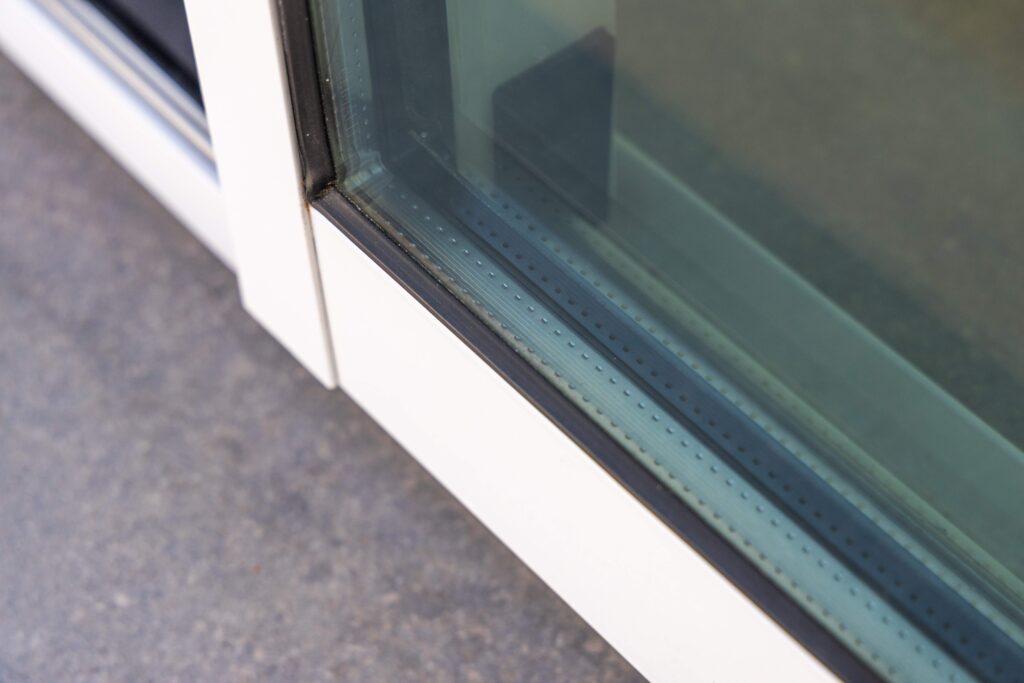
When discussing insulated glass units (IGUs), most conversations focus on the glass itself. Homeowners and installers often look at glazing specifications, coatings, gas fills, and energy ratings. However, one component that plays a surprisingly important role in the overall performance of a sealed unit is the spacer bar. Spacer bars sit around the perimeter of a double or triple glazed unit, creating the gap between panes of glass and helping to contain the insulating gas within the cavity. While they may seem like a small detail, the type of spacer bar used can have several advantages on thermal efficiency, condensation resistance, and overall window performance. Today, one of the biggest distinctions in IGU manufacturing is the difference between warm-edge spacer bars and standard aluminium spacer bars. Understanding how they work and what separates them can help fabricators, installers, and homeowners make more informed decisions when specifying glazing products. What Is a Spacer Bar? A spacer bar is the component positioned around the perimeter of a double or triple glazed unit. Its primary role is to maintain an even gap between the panes while helping create a sealed cavity filled with air or insulating gases such as argon. The spacer system also contains a desiccant, which absorbs any residual moisture within the cavity and helps prevent condensation from forming between the panes. Without spacer bars, modern insulated glass units simply wouldn’t be possible. While the component occupies only a small percentage of the window’s overall surface area, it can significantly impact the thermal performance of the entire glazing system. What Is a Standard Spacer Bar? Traditionally, spacer bars have been manufactured from aluminium. Aluminium became the go-to material because it is lightweight, durable, corrosion-resistant and easy to manufacture at scale. For many years, aluminium spacers were the industry standard across double glazing production. However, aluminium has one major disadvantage: It is an excellent conductor of heat. In fact, aluminium has a thermal conductivity of approximately 160 W/mK, meaning it allows heat to travel through it very efficiently. As a result, aluminium spacer bars create what is known as a thermal bridge. This allows heat to escape more readily around the perimeter of the glass unit, causing the edge of the window to become significantly colder than the centre. This can lead to: While aluminium spacers still perform their structural role effectively, improvements in building regulations and energy efficiency standards have driven demand for better alternatives. What Is a Warm-Edge Spacer Bar? Warm-edge spacer bars were specifically developed to reduce heat transfer around the perimeter of glazing units. Rather than relying solely on metal, warm-edge systems are manufactured using low-conductivity materials such as: These materials dramatically reduce the flow of heat through the edge of the glass unit. The result is a significantly warmer edge-of-glass temperature and improved overall window performance. The Key Difference: Thermal Conductivity The biggest difference between standard aluminium spacers and warm-edge spacers comes down to thermal conductivity. Think of thermal conductivity as the speed at which heat can pass through a material. The higher the figure, the easier it is for heat to move through it. With an aluminium spacer bar conducting heat at around 160 W/mK compared with some warm-edge alternatives at just 0.15 W/mK, the performance difference becomes easy to understand. By reducing heat transfer around the perimeter of the sealed unit, warm-edge technology creates a more consistent temperature across the glass. This helps eliminate one of the weakest thermal points in a traditional IGU construction. Improved Window U-Values One of the most important benefits of warm-edge technology is its contribution to overall thermal performance Window performance is commonly measured using a U-value. The lower the U-value, the better the insulating performance of the window. Because warm-edge spacers reduce heat transfer around the perimeter of the glass, they can improve overall window U-values by up to 0.2 W/m²K. While this may sound like a relatively small figure, in the world of window performance it can make a meaningful difference. For manufacturers and installers trying to meet modern Building Regulations and increasingly stringent energy standards, every improvement counts. Reduced Heating Costs Improved thermal performance doesn’t just benefit compliance requirements. It can also have a direct impact on running costs and energy savings. By reducing heat loss through the glazing system, warm-edge spacers help improve insulation and retain more warmth inside the building. This means heating systems don’t need to work as hard to maintain comfortable indoor temperatures, potentially contributing to lower energy consumption and reduced heating costs over time. For homeowners looking to improve energy efficiency, warm-edge technology represents a simple upgrade that continues delivering benefits year after year. A Significant Reduction in Condensation One of the most noticeable differences between aluminium and warm-edge spacers is the effect they have on condensation. Condensation occurs when warm, moisture-laden air comes into contact with a surface that has cooled below its dew point temperature. Because aluminium conducts heat so efficiently, the edge of the glass often becomes the coldest part of the window. This creates ideal conditions for condensation formation around the perimeter of the glass. Common signs include: Warm-edge technology helps combat this problem by keeping the edge of the glass warmer. Studies have shown that warm-edge spacers can reduce edge condensation by around 40% compared with traditional aluminium spacers. As a result, homeowners benefit from drier windows, less moisture build-up and a healthier indoor environment. Enhanced Comfort Throughout the Year Energy efficiency isn’t only about reducing bills. It’s also about creating a more comfortable living environment. Traditional spacer bars can create noticeable cold spots around windows during colder months. Even when there is no actual draught, occupants may experience discomfort from radiated cold temperatures at the edge of the glass. Warm-edge spacer bars help maintain more stable indoor temperatures throughout the year by minimising these cold zones. This creates a more comfortable environment and contributes to a better overall perception of window quality. Warm-Edge Spacers and Triple Glazing The benefits of warm-edge technology become even more

What Is the Difference Between Warm-Edge and Standard Spacer Bars? Read More »
What Is an Insulated Glass Unit (IGU)?

Modern buildings demand more from their glazing than ever before. Whether it’s improving energy efficiency, reducing heat loss, enhancing sound insulation or creating more comfortable living spaces, insulated glass units (IGUs) have become the standard solution for residential and commercial glazing. From double glazed windows and doors to rooflights and large-scale façades, IGUs play a vital role in improving thermal performance while allowing natural light to flood into buildings. But what is an insulated glass unit (IGU), how does it work, and why is it so effective? In this guide, we’ll explore everything you need to know about insulated glass units, including their components, benefits, performance ratings and applications. What Is an Insulated Glass Unit (IGU)? An insulated glass unit (IGU) is a glazing system consisting of two or more glass panes that are hermetically sealed together to create a single unit. The glass panes are separated by a spacer bar and filled with air or insulating gas, such as argon or krypton, creating an enclosed air space that significantly reduces heat transfer between the interior and exterior of a building. A standard glass unit IGU is made up of: These components work together to create a highly efficient glazing system that improves comfort, reduces energy consumption and enhances building performance. How Does an IGU Work? To understand the benefits of a glass unit, it’s important to understand how heat moves through a building. Heat naturally travels from warmer areas to cooler areas. In properties fitted with single pane glass, warmth can easily escape through the glass surface, causing higher heating costs and reduced comfort during cold weather and the cold winter months. An insulated glass unit slows this process by trapping a layer of air or gas between the panes. This insulating layer reduces thermal conductance and limits heat transfer through the glazing. Unlike single glazing, where heat passes directly through one pane, a double glazed IGU creates a barrier that helps: The result is a building that stays warmer in winter, cooler in summer and more comfortable all year round. The Main Components of Insulating Glass Units Glass Panes IGUs consist of multiple glass panes, typically two glass panes in double glazing or three panes in triple glazing. The panes may be manufactured using: Different glass thickness combinations can be used depending on the project requirements. Gas Fill Many high-performance IGUs feature a gas fill rather than ordinary air. The most common options include: Argon Gas Argon is an affordable inert gas and the most widely used option in modern IGUs. As a noble gas, it is denser than air and helps reduce heat movement between panes. Using approximately 90% argon gas can improve a unit’s U-value by up to 16% compared with air-filled units. Krypton Gas Krypton provides even greater insulation performance. Although more expensive, krypton can improve a glazing unit’s U-value by up to 27%, making it particularly useful in premium and high-performance building projects. Primary Seal and Secondary Sealants Every IGU relies on high-quality seals to remain hermetically sealed. The primary seal prevents moisture ingress and gas leakage, while the secondary sealants provide structural strength and durability. Together, these seals help maintain long-term performance and prevent condensation forming within the cavity. What Is Low E Glass? One of the most significant advances in glazing technology has been the introduction of low E glass. The term “Low E” stands for low emissivity. A microscopic metallic coating is applied to one of the glass surfaces to reflect infrared heat while still allowing visible light to pass through. Modern low emissivity coatings help to: A low E IGU provides substantially better thermal performance than standard glazing. When looking at an IGU, there are often four surfaces within a typical double-glazed unit. The Low E coating is strategically positioned on one of these surfaces to maximise efficiency. Understanding U-Values When selecting double glazed units, understanding performance ratings is essential. The U-value measures heat transfer in W/m²°C. In simple terms, it measures how much heat passes through a building element such as a window. Lower U-values indicate better insulation performance. Modern IGUs can achieve U-values as low as: Because less heat escapes through the glazing, lower U-values contribute directly to energy savings. Energy Efficiency Benefits of IGUs One of the biggest advantages of insulating glass units is improved energy efficiency. Modern IGUs: As building regulations continue to tighten, IGUs have become a key component in energy-efficient and environmentally responsible building design. For homeowners, this means lower energy bills. For commercial properties, it can result in substantial long-term operational savings. Sound Insulation and Acoustic Performance In addition to thermal benefits, IGUs also deliver excellent sound insulation. The combination of multiple glass layers and an insulated cavity helps reduce external noise transmission. For projects requiring enhanced acoustic performance, manufacturers may specify: These solutions help dampen sound waves and can significantly improve indoor comfort in urban areas, near airports or alongside busy roads. Compared with single pane glass, IGUs provide dramatically better acoustic performance. Reducing Condensation Condensation is a common issue associated with poor-performing glazing. Because IGUs keep the internal glass surface closer to room temperature, they help prevent moisture from forming on interior surfaces. This creates healthier internal environments while helping protect surrounding finishes from moisture damage. Common Applications for Insulated Glass Units Today, IGUs are found throughout the built environment. Residential Buildings Common applications include: Commercial Buildings IGUs are widely used in: High-Rise Buildings Modern façades rely heavily on high-performance glass panels and IGUs to deliver energy efficiency while maximising natural light. Why IGUs Are Essential for Modern Buildings Whether installed in windows, rooflights or curtain walling systems, insulated glass units keep homes warmer in winter and cooler in summer. By combining multiple glass panels, specialised glass coatings, insulating gases and advanced sealing technologies, IGUs deliver exceptional levels of comfort and efficiency. For architects, developers and homeowners alike, understanding what an insulated glass unit (IGU) is can help inform smarter glazing choices and improve long-term building performance. High-Performance Glazing Solutions

What Is an Insulated Glass Unit (IGU)? Read More »

             CALL THE TEAM ON 01422 861116

X