
What Type of Glass Reduces Heat Loss the Most?
When it comes to improving energy efficiency in your home, windows and glazing play a huge role. Heat loss through glass can account for a significant portion of your energy bills, especially in older properties or those with outdated glazing.
So naturally, one of the most common questions is: what type of glass actually reduces heat loss the most?
The answer isn’t just one single type – it’s about how the glass is designed, combined, and installed. In this guide, we’ll break down the different types of glass available, how they work, and which options offer the best thermal performance.
Why Does Heat Loss Through Glass Matter?
Glass is one of the weakest points in a building when it comes to insulation. Unlike solid walls, it allows heat to escape more easily, especially if it’s single glazed or poorly specified.
Heat loss through windows can lead to:
- Higher energy bills
- Cold spots near windows
- Reduced comfort in your home
- Increased strain on heating systems
Upgrading your glazing can make a noticeable difference – not just in warmth, but in overall efficiency.
How Is Heat Loss Measured?
Before looking at types of glass, it’s important to understand U-values.
A U-value measures how easily heat passes through a material. The lower the U-value, the better the insulation. For example:
- Higher U-value = more heat loss
- Lower U-value = better thermal performance
Modern glazing systems are designed to achieve low U-values by combining multiple technologies.
The Main Types of Glass That Reduce Heat Loss
1. Low-E (Low Emissivity) Glass
Low-E glass is one of the most effective and widely used solutions for reducing heat loss. It features a microscopic coating that reflects heat back into the room while still allowing natural light to pass through. Benefits include:
- Improved heat retention
- Better energy efficiency
- Minimal impact on appearance
This type of glass is now standard in most modern double and triple glazing systems, and for good reason.
2. Double Glazed Units
Double glazing consists of two panes of glass separated by a gap, usually filled with air or gas. This gap acts as an insulating barrier, reducing heat transfer. Compared to single glazing, double glazing offers:
- Significantly lower heat loss
- Improved comfort
- Reduced condensation
When combined with Low-E coatings, double glazing becomes even more effective.
3. Argon Gas Filled Glass
Many modern double glazed units are filled with argon gas between the panes instead of regular air. Argon is denser than air, which helps slow down heat transfer. This results in:
- Better insulation
- Lower U-values
- Improved overall performance
It’s a simple upgrade that makes a noticeable difference.
4. Triple Glazing
Triple glazing uses three panes of glass instead of two, with two insulating gaps in between. This provides:
- Even greater thermal performance
- Reduced heat loss
- Improved sound insulation
However, it’s worth noting that triple glazing isn’t always necessary for every home. In many UK properties, high-quality double glazing with the right specification can achieve excellent results.
5. Warm Edge Spacer Bars
While not technically the glass itself, spacer bars play an important role in reducing heat loss. They sit between the panes of glass and help maintain the gap. Warm edge spacers:
- Reduce heat loss around the edges
- Minimise condensation
- Improve overall efficiency
They’re a key component in high-performance glazing systems.
So, What Reduces Heat Loss the Most?
The best-performing option isn’t just one feature, it’s a combination. The most effective setup typically includes:
- Low-E coated glass
- Double or triple glazing
- Argon gas filling
- Warm edge spacer bars
Together, these elements create a sealed unit that significantly reduces heat transfer.
In most cases, a high-quality double glazed unit with Low-E glass and argon gas offers an excellent balance of performance, cost, and practicality.
Does Thicker Glass Reduce Heat Loss?
Not necessarily. While thicker glass can improve strength and sound insulation, it doesn’t automatically improve thermal performance.
Heat loss is more affected by:
- The number of panes
- The gas between them
- The coatings applied
So, simply increasing thickness isn’t the most effective solution.
The Role of Sealed Units
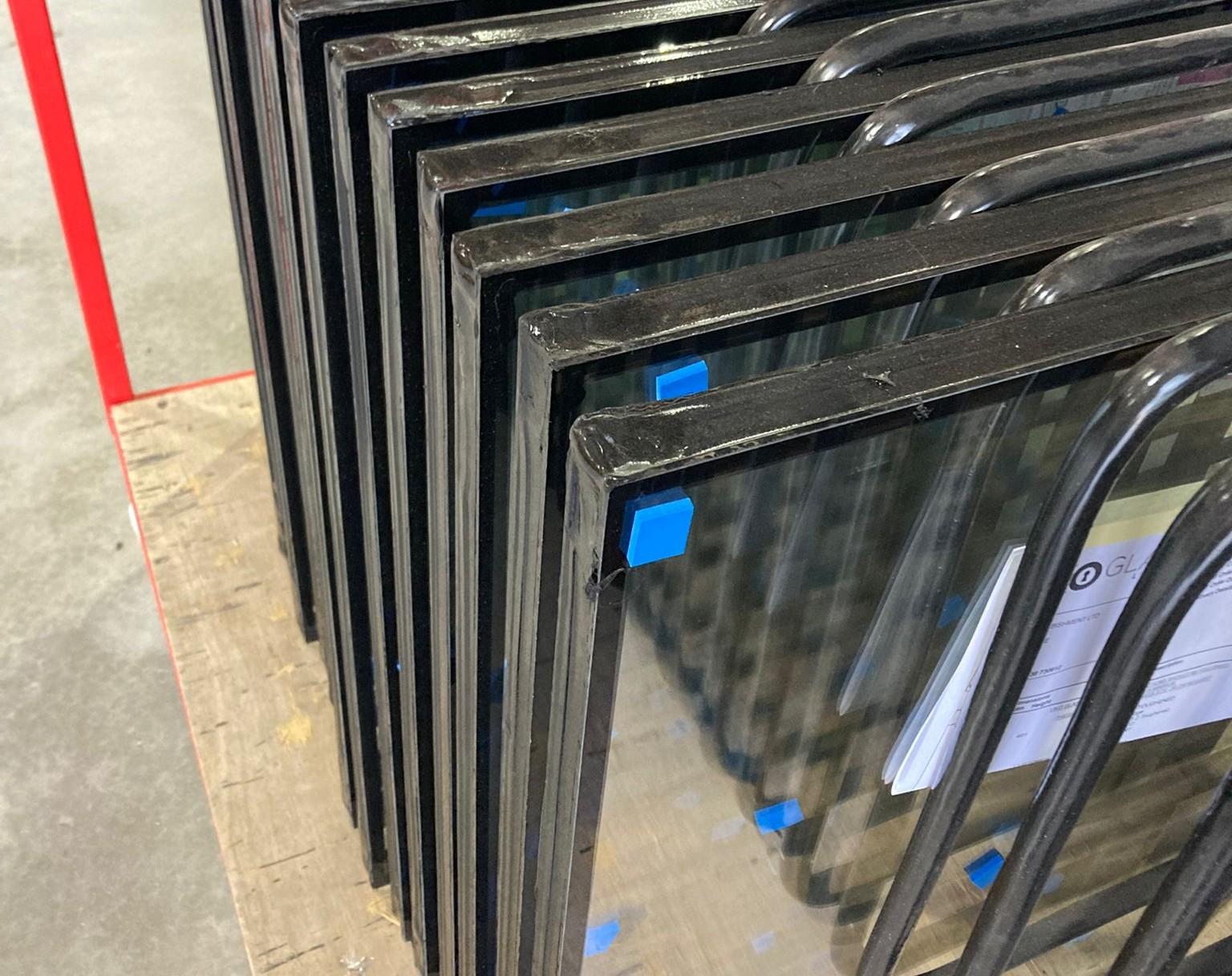
Modern glazing can be supplied as sealed units, where all components are combined into one system. These units are designed to:
- Trap heat inside
- Prevent air leakage
- Maintain consistent performance over time
If a sealed unit fails (for example, if moisture gets inside), its insulating performance drops significantly – which is why quality manufacturing is so important.
Do Frames Make a Difference?
Yes – while glass is crucial, the frame also plays a role in reducing heat loss. Well-designed frames with thermal breaks help:
- Prevent heat transfer
- Improve overall U-values
- Support the performance of the glazing
The best results come from a combination of high-quality glass and well-engineered frames.
Signs Your Glass Isn’t Performing Well
If your current glazing isn’t reducing heat loss effectively, you may notice:
- Draughts near windows
- Cold glass surfaces
- Condensation between panes
- Higher heating bills
These are all signs that your glazing may need upgrading.
Is It Worth Upgrading Your Glass?
In most cases, yes. Upgrading to modern, energy-efficient glazing can:
- Reduce energy bills
- Improve comfort
- Increase property value
- Lower your carbon footprint
It’s one of the most effective ways to improve your home’s efficiency without major structural changes.
Choosing the Right Glass for Your Home
When selecting glazing, it’s important to consider:
- The type of property
- Your budget
- Energy efficiency goals
- The size and location of the windows
For most homeowners, a well-specified double glazed unit with modern features will provide excellent results.
For others, such as new builds or highly insulated homes, triple glazing may be worth considering.
Final Thoughts
So, what type of glass reduces heat loss the most? There isn’t a single answer – but the best results come from combining modern glazing technologies like Low-E coatings, argon gas, and multi-pane units.
Rather than focusing on just one feature, it’s about choosing a complete system designed to work together. With the right glazing in place, you can create a warmer, more comfortable home while reducing energy bills and improving long-term performance. Because when it comes to heat loss, the right glass doesn’t just make a difference – it makes a lasting one.
At UKO Glass, we manufacture high-quality sealed double and triple glazed units designed to maximise thermal performance and reduce heat loss. Whether you’re upgrading existing glazing or working on a new project, our team can help you find the right solution. Get in touch today on 01422 861116 to discuss your requirements.