
Is All Toughened Glass Stamped?
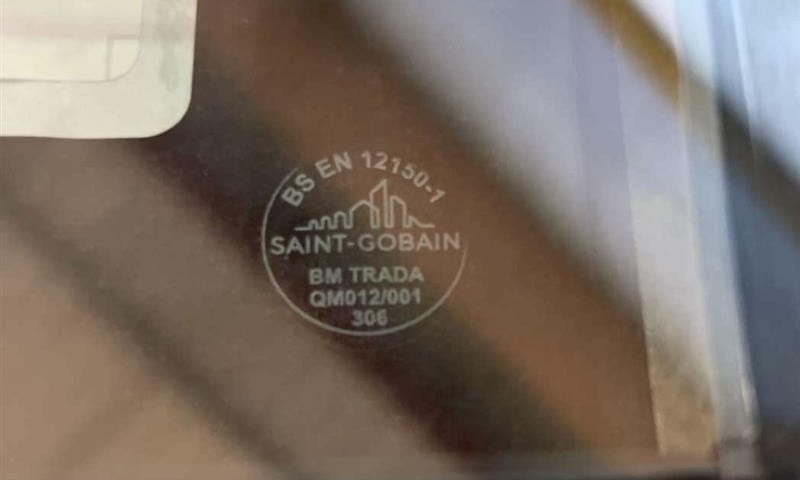
If you’ve ever looked closely at a pane of glass, particularly in a door, roof light, or window, you may have noticed a small etched mark in one of the corners. Homeowners often ask whether this marking is optional, what it means, and whether all toughened glass should have one.
The short answer is yes, all toughened safety glass must be stamped or marked. In this blog, we’ll explain why that is, what the stamp means and how standards like BS EN 12150 ensure your glass is safe, compliant and fit for purpose.
What Is Toughened Glass?
Manufacturers heat-treat toughened glass (also known as tempered glass) to make it significantly stronger than standard annealed glass.
During the toughening process, manufacturers heat the glass to extremely high temperatures and then rapidly cool it. This creates internal stresses that make the glass:
- Around 4–5 times stronger than normal glass
- More resistant to impact and thermal stress
- Much safer if broken
When toughened glass breaks, it shatters into small, blunt fragments rather than sharp shards – greatly reducing the risk of serious injury. Because of these safety benefits, toughened glass is required in many areas of the home.
Why Is Safety Glass Required?
Building Regulations require safety glass in locations where there is a higher risk of human impact. These areas typically include:
- Doors and door side panels
- Low-level windows
- Roof lights and roof lanterns
- Glazed screens and partitions
- Bathrooms and shower enclosures
In these situations, ordinary glass would present a serious safety hazard. That’s why toughened (or laminated) safety glass is not optional, it’s a legal requirement.
Is All Toughened Glass Stamped?
Yes, all toughened glass must be permanently marked. This marking is not decorative and it’s not added for branding purposes. It exists to confirm that the glass:
- Is safety glass
- Has been manufactured to a recognised standard
- Meets specific performance and impact requirements
Without this marking, there is no way to visually confirm that a pane of glass is compliant.
What Does the Stamp on Toughened Glass Mean?
The stamp (sometimes called an etch or kite mark) is usually located in a corner of the glass and may appear subtle or faint. Despite its small size, it carries important information. A typical toughened glass stamp will show:
- The manufacturer or brand
- The relevant British or European Standard
- Confirmation that the glass is toughened safety glass
For UK and European applications, this usually includes BS EN 12150.
What Is BS EN 12150?
BS EN 12150 is the British and European standard that governs thermally toughened soda lime silicate safety glass. Glass manufactured to BS EN 12150 has been tested to ensure it:
- Meets strict strength requirements
- Breaks safely into small fragments
- Performs consistently under impact
- Can withstand temperature differences
In simple terms, the BS EN 12150 marking tells you that the glass has been independently assessed and manufactured to a recognised safety standard. All of our toughened glass is stamped to comply with BS EN 12150, giving you confidence that it meets the required level of safety and performance.
Why Is the Marking Mandatory?
Safety glass must be marked so that:
- Building inspectors can verify compliance
- Installers can identify the correct glass type
- Homeowners can be assured of safety
- Liability and responsibility are clear
During a building control inspection or property sale, unmarked glass often raises concerns and can require replacement.
What If Toughened Glass Has No Stamp?
If glass is installed in a safety-critical location and does not carry a visible stamp, it may not be compliant. This could mean:
- The glass is not toughened
- The glass does not meet the required standard
- The glass cannot be verified as safety glass
In these cases, building control may reject the installation and replacement could be required.
Does the Stamp Affect the Appearance?
A common concern is whether the safety stamp spoils the look of the glass. In reality, the marking is:
- Small and discreet
- Usually positioned in a corner
- Etched into the glass, not printed
- Only noticeable when you look for it
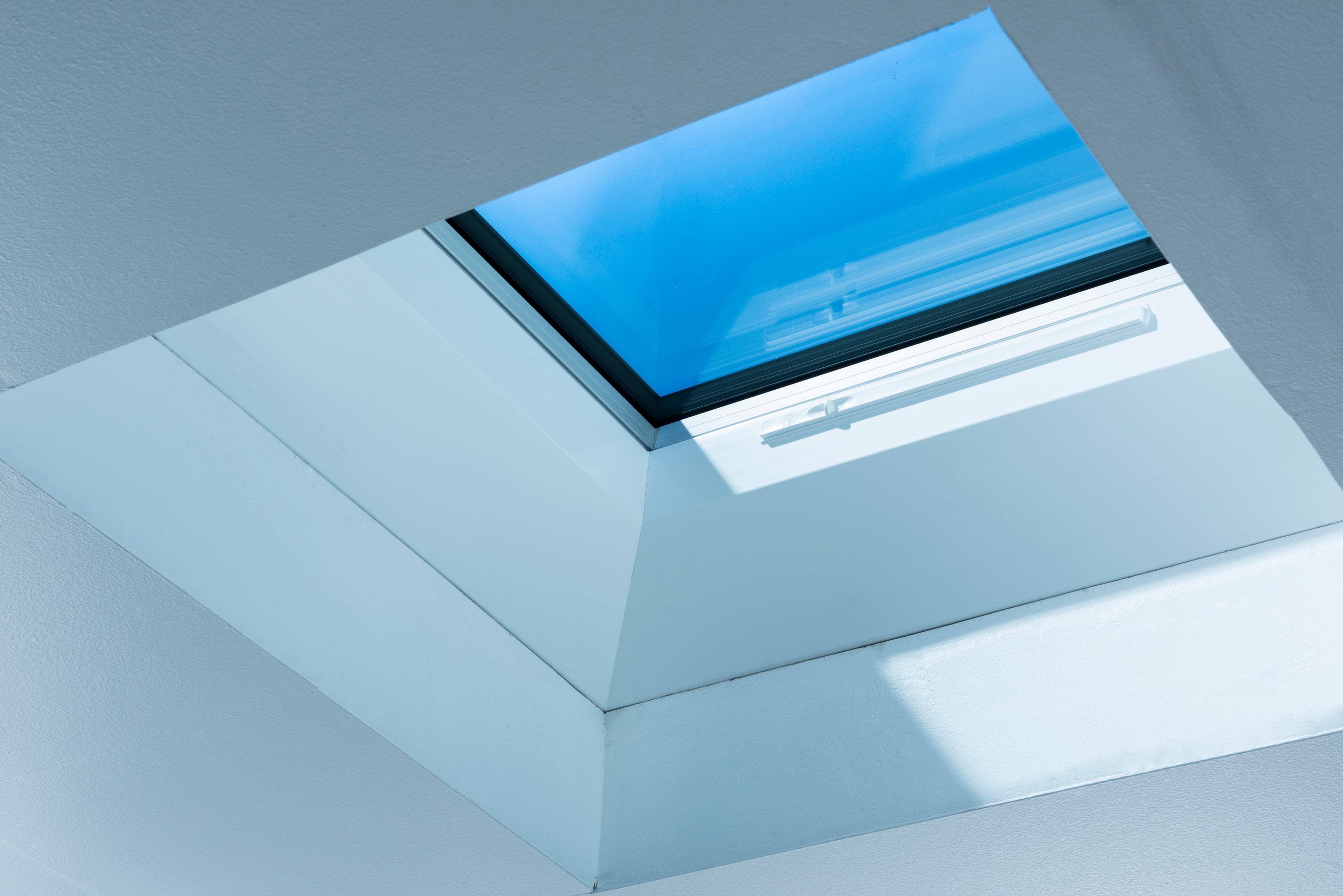
In most installations, especially rooflights and roof lanterns, the stamp is barely visible from normal viewing angles.
Toughened Glass vs Other Safety Glass
While toughened glass is widely used, it’s not the only form of safety glazing.
- Laminated glass holds together when broken
- Heat-strengthened glass offers moderate strength but is not classed as full safety glass
Each type has its own marking requirements, but all safety glass must be identifiable and traceable.
Is All Toughened Glass Stamped?
Yes, it has to be.
During the toughening process, manufacturers heat the glass to extremely high temperatures and then rapidly cool it. Standards like BS EN 12150 exist to protect homeowners, installers, and occupants by ensuring glass performs exactly as it should.
Choosing properly marked, compliant toughened glass isn’t just about meeting regulations – it’s about peace of mind. When you install correctly marked safety glass, it performs exactly as designed and gives you complete confidence in its protection.
At UKO Glass, all of our toughened safety glass is clearly marked and manufactured to comply with BS EN 12150, giving you complete confidence in its performance and safety. Whether you’re specifying glass for roof lights, doors or windows, our team is here to help. Get in touch today on 01422 861116 to discuss your requirements and ensure your project meets the highest safety standards.
Pingback: Can You Cut Toughened Glass?