
5 Signs Your Double Glazed Windows Are Failing
Double glazing plays a crucial role in keeping your home comfortable, energy efficient, and protected from the elements. While window frames often get the attention, it’s the glazing unit itself that does most of the heavy lifting – insulating your home, reducing noise, and maintaining clarity. Here are 5 key signs that your double glazed windows may be failing, and what they mean.
Over time, however, even high-quality double glazed units can begin to fail. Recognising the early warning signs can help you take action before small issues turn into bigger (and more expensive) problems.
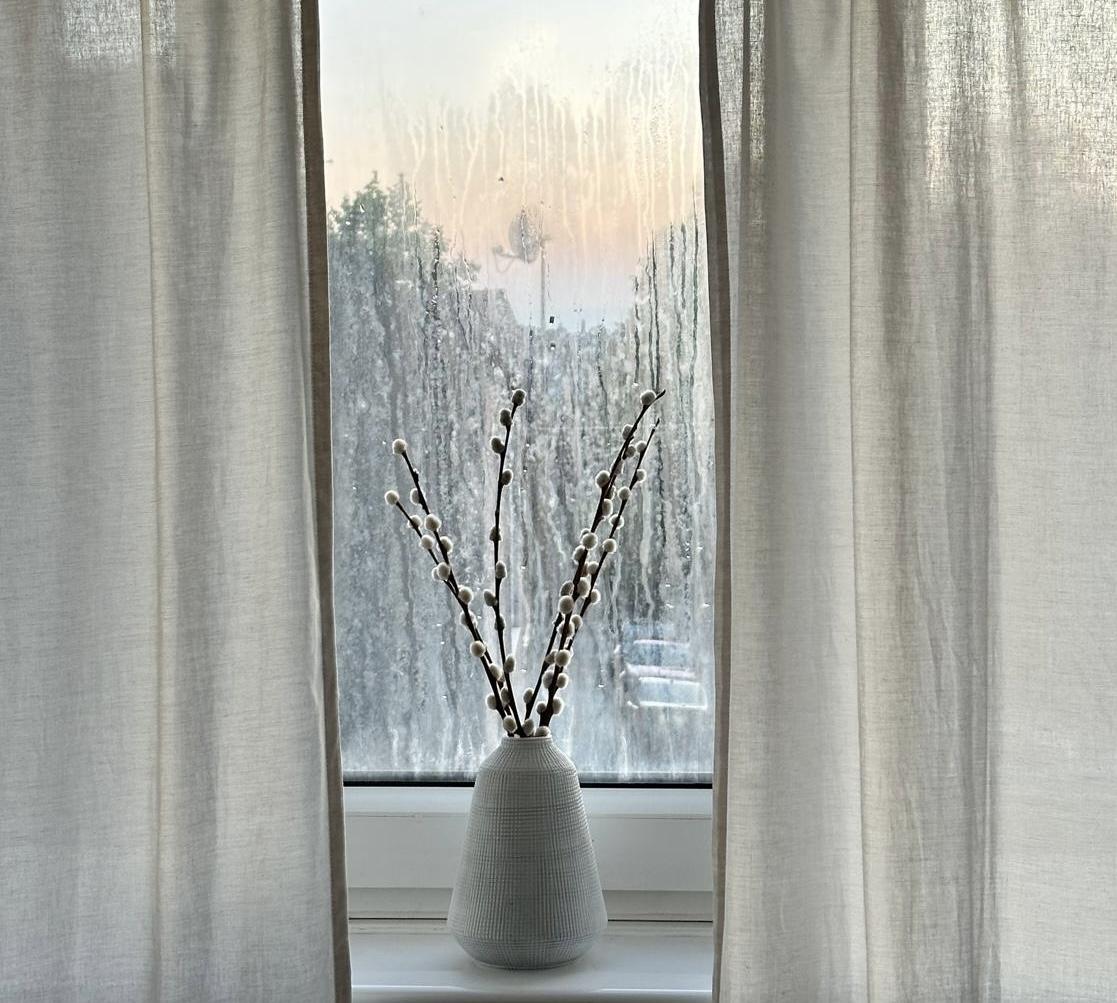
1. Condensation Between the Panes
One of the most obvious signs of a failed double glazed unit is condensation trapped between the panes of glass.
Double glazing works by sealing two panes of glass together with a spacer bar, creating an insulated gap in between. This sealed unit is designed to keep moisture out. However, if the seal breaks down, moisture can enter the cavity, leading to fogging or condensation that you can’t wipe away.
Why it happens:
- Seal failure over time
- Wear and tear from temperature changes
- Poor initial manufacturing or installation
Why it matters:
Once the seal has failed, the unit is no longer performing as intended. The insulating gas inside the unit may have escaped, reducing thermal efficiency and allowing moisture to build up.
What to do:
If condensation is trapped inside the unit, the glazing will need to be replaced – cleaning the outside won’t fix the issue.
2. Visible Moisture or “Misting”
Similar to condensation, misting is another common indicator of glazing failure. Instead of clear droplets, you may notice a hazy or cloudy appearance within the glass.
This can make your windows look permanently dirty or unclear, even after cleaning.
Why it happens:
- Breakdown of the seal around the unit
- Moisture entering the air gap
- Loss of internal desiccant effectiveness (the material that absorbs moisture inside the unit)
Why it matters:
Misted glass doesn’t just affect appearance, it also signals a loss of performance. The unit is no longer insulating effectively, which can impact both comfort and energy costs.
3. Draughts or Reduced Insulation
Double glazing is designed to keep heat in and cold air out. If you start to notice draughts around your windows, or rooms feeling colder than usual, it could be a sign that the glazing unit is no longer performing properly.
While draughts can sometimes be linked to frames or seals around the window, the glazing itself can also be a factor if the unit has lost its insulating properties.
Signs to look for:
- Cold spots near windows
- Increased reliance on heating
- Rooms feeling less comfortable
Why it happens:
- Loss of insulating gas between panes
- Compromised seals
- Age-related wear
Why it matters:
Reduced insulation leads to higher energy bills and a less comfortable living environment.
4. Distortion or Warping in the Glass
If your double glazed unit is failing, you may notice visual distortion when looking through the glass. Straight lines may appear slightly bent or warped, especially in certain lighting conditions.
Why it happens:
- Pressure changes inside the sealed unit
- Seal failure affecting internal balance
- Manufacturing defects (in some cases)
Why it matters:
Distortion isn’t just a visual issue, it can indicate that the unit is no longer structurally sound or performing correctly.
While slight optical distortion can occur in some glazing, noticeable or worsening distortion is a sign something isn’t right.
5. Increased Outside Noise
One of the key benefits of double glazing is its ability to reduce external noise. If you start to notice that outside sounds seem louder than before, it could be a sign that your glazing unit has deteriorated.
Why it happens:
- Loss of seal integrity
- Reduced effectiveness of the air gap
- Changes in the unit’s structure over time
Why it matters:
Noise reduction relies on the integrity of the sealed unit. Once compromised, the glazing becomes less effective at blocking sound, making your home feel less peaceful.
Why Do Double Glazed Units Fail?
Even well-manufactured double glazing won’t last forever. Over time, exposure to the elements, temperature fluctuations, and general wear can take their toll. Common causes of failure include:
- Seal degradation: The most frequent issue, leading to moisture ingress
- Thermal stress: Expansion and contraction due to temperature changes
- Age: Most units have a lifespan of 10–20 years, depending on quality
- Installation issues: Poor fitting can put stress on the unit
Understanding these factors helps explain why problems can develop, even if your windows initially performed well.
Can You Repair Double Glazing?
In most cases, when the glazing unit itself fails, it cannot be repaired – it needs to be replaced.
The good news is that you don’t always need to replace the entire window. In many situations, the frame can remain in place while the sealed glass unit is swapped out for a new one.
This makes it a more cost-effective and efficient solution.
The Importance of Quality Manufacturing
Not all double glazing is created equal. The quality of the sealed unit plays a major role in how long it lasts and how well it performs. High-quality glazing units are designed with:
- Strong, durable seals
- Effective spacer bars and desiccants
- Precision manufacturing processes
- Compliance with UK standards
Choosing a reliable glass manufacturer ensures better performance, longer lifespan, and fewer issues over time.
When Should You Replace Your Glazing?
If you notice any of the signs mentioned above, it’s worth having your glazing assessed. Early action can prevent further problems and restore your home’s comfort and efficiency. You should consider replacement if:
- Condensation or misting is present inside the unit
- Performance has noticeably declined
- The glass is affecting the appearance of your home
Final Thoughts
Double glazing is a key part of your home’s performance – but like any product, it won’t last forever. Recognising the signs of failure early can save you time, money, and frustration in the long run.
From condensation and misting to reduced insulation and increased noise, these warning signs all point to one thing: your glazing unit is no longer doing its job.
The good news is that replacing the glass unit can restore clarity, efficiency, and comfort – without the need for a full window replacement.
If your windows aren’t performing like they used to, it might not be the frame – it could be what’s inside the glass.
At UKO Glass, we manufacture high-quality sealed units designed for long-lasting performance, clarity, and efficiency. If your double glazing is showing signs of failure, get in touch with our team today on 01422 861116 to discuss a replacement solution tailored to your needs.