
Quality control is a critical part of modern glass manufacturing. Whether producing flat glass for architectural projects, tempered glass for safety applications, or specialist glass products for commercial environments, manufacturers must ensure every product meets strict quality standards, industry standards, and customer requirements.
At UKO Glass, quality control ensures that all products are manufactured to the highest standards of safety, performance, and appearance. The glass industry relies on a combination of process control, visual inspection, mechanical testing, automatic inspection machines, and quality assurance procedures to maintain consistency throughout the manufacturing process.
In this guide, we’ll explore exactly what quality checks are carried out on glass, how manufacturers identify common glass defects, and why effective quality control reduces production costs by minimising defects while enhancing customer satisfaction and brand reputation.
Why Quality Control Matters in Glass Manufacturing
Quality control in glass manufacturing is a rigorous multi-stage process. From the selection of raw materials through to final packaging and dispatch, every stage is monitored to ensure glass quality remains consistent.
There are certain standards glass needs to meet in order to meet certain regulations. Standards like ASTM and ISO guide quality control processes for glass.
Quality concerns can impact safety, aesthetics, performance, and installation. Quality control prevents injuries from minor defects and ensures glass products meet safety regulations. It also helps glass manufacturers lower rejection rates, improve efficiency, and deliver high quality products to customers.
Documentation and traceability are vital components of glass QC processes. Every batch of glass can be traced back to the raw material supplier through supplier certificates and production records, helping manufacturers maintain regulatory compliance and quickly investigate any issues that arise.
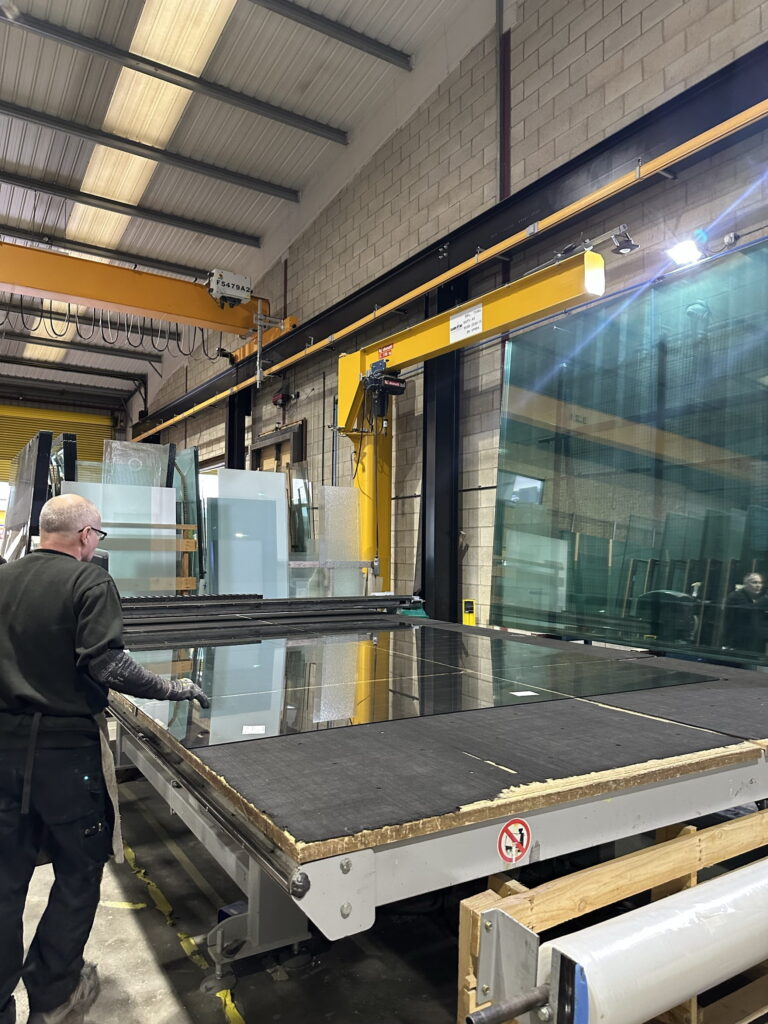
Common Glass Defects Manufacturers Look For
One of the most important aspects of glass quality inspection is identifying common glass defects.
Common glass defects include:
Scratches
Scratches can occur during processing, handling, or transportation. They can negatively impact appearance and, in some cases, performance.
Bubbles
Bubbles form during manufacturing when gases become trapped within the glass. Excessive bubbles can affect clarity and transparency.
Cracks
Cracks may develop during cooling or impact. Even small cracks can compromise structural integrity and safety.
Surface Irregularities
Irregularities of the glass surface can affect optical performance and visual appearance. Surface defect and coating checks examine specialized surface treatments on glass to ensure they are up to requirements.
Effective quality control ensures these defects are detected before products are dispatched.
Dimensional and Thickness Verification
Accurate dimensions are essential for all bespoke glass products.
Glass inspection procedures include checks on:
- Glass thickness
- Width and height
- Squareness
- Cut-outs
- Holes and notches
Dimensional and thickness gauging verifies that the glass meets strict geometric tolerances. This is especially important for products such as balustrades, partitions, splashbacks, rooflights, and insulated glass units, where installation tolerances are often extremely tight.
Visual Inspection Procedures
Visual inspection remains one of the most widely used quality control measures within the glass industry.
Inspectors assess the glass surface under controlled lighting conditions and check for:
- Bubbles
- Scratches
- Cracks
- Surface defects
- Coating issues
- Distortion
- Edge damage
A visual inspection checks for bubbles, scratches, or surface defects in glass before products are approved for dispatch.
This final inspection helps ensure products meet customer requirements and protects the brands reputation.
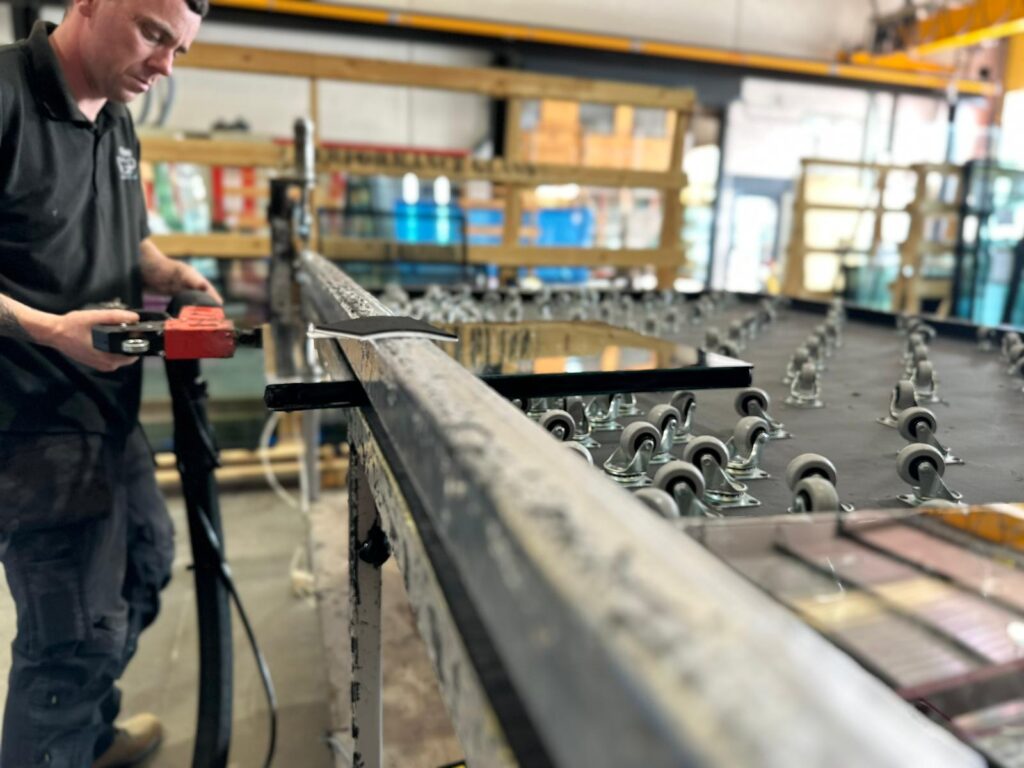
Laminated and Insulated Glass Inspection
Additional checks are required for laminated and insulated units.
For laminated products, glass inspection may include:
- Bubble or void inspection
- Bond integrity verification
- Optical quality checks
For insulated glazing units, inspectors verify:
- Spacer alignment
- Seal integrity
- Gas fill levels
- Internal cleanliness
Non-destructive testing methods can reveal internal flaws in glass products without damaging them, helping manufacturers maintain both quality and efficiency.
Packaging and Final Inspection
Before dispatch, a final quality check is carried out.
Inspectors verify:
- Product specifications
- Order accuracy
- Edge protection
- Packaging materials
- Labels and traceability information
Final inspection checks optical, mechanical, and dimensional compliance of glass, ensuring products arrive in excellent condition.
Conclusion
Quality control in glass manufacturing involves far more than simply checking the finished product. From visual inspection, resistance testing, and final quality assurance checks, every stage plays a vital role in maintaining glass quality.
Ultimately, quality control ensures glass products remain safe, reliable, visually impressive, and fit for purpose, giving customers complete confidence in every installation.
At UKO Glass, rigorous quality control measures help ensure every glass product meets technical specifications, safety requirements, and customer expectations. By combining robust inspection process control methods, skilled manual inspection, and comprehensive testing procedures, we adequately control quality, reduce production costs, maintain regulatory compliance, and deliver high quality products that stand the test of time.
Pingback: How to Find a Reliable Glass Supplier - UKO Glass