Caitlin

What Is Toughened Glass?

Toughened glass, sometimes referred to as tempered glass, is one of the most widely used forms of safety glass in modern construction and design. Whether it’s used in glass doors, shower screens, glass balustrades, glass roofing or structural glazing applications, its enhanced strength and safety properties make it a popular choice for both residential and commercial projects. If you’ve ever wondered what is toughened glass, how it differs from normal glass, and why it is required in many critical locations under UK Building Regulations, this guide will explain everything you need to know. What Is Toughened Glass? Toughened glass is a type of toughened safety glass that undergoes a specialised thermal tempering process to make it significantly stronger than standard. Unlike ordinary glass or standard float glass, toughened glass is designed to withstand greater impacts, higher temperatures and increased stress. In fact, this glass typically offers up to five times the strength of standard glass of the same thickness. One of the key benefits is its behaviour when damaged. Rather than breaking into large, dangerous shards, toughened glass shatters into small, relatively blunt pieces that help reduce the risk of injury. How Is Toughened Glass Made? To create toughened glass, manufacturers begin with clear float glass or standard float glass, which is cut to its desired shape and finished to specification before the toughening process begins. Any features such as holes, cut-outs, radius corners, or polished edges must be completed at this stage because it is impossible to modify afterwards. The glass then undergoes a thermal tempering treatment. During this process, the glass is heated to temperatures of over 400°C before being rapidly cooled using powerful air jets. This rapid cooling creates compression on the outer surfaces of the glass while generating internal stresses and tensile stress within the core. The compressed surface layer is what gives toughened glass its enhanced strength and higher resistance to impact and thermal stresses. The result is a highly durable, thermally resistant product suitable for demanding environments. What Are the Benefits of Toughened Glass? Enhanced Strength The primary advantage is its superior strength. It can withstand significantly greater loads, impacts and temperature fluctuations compared to standard glass. This makes it particularly suitable for demanding environments where durability is essential, such as rooflights, balustrades, doors and commercial glazing applications. Improved Safety Safety is one of the key reasons toughened glass is specified in both residential and commercial projects. If the glass suffers a significant impact and breaks, it crumbles into small cube-like pieces rather than dangerous jagged shards. This reduces the risk of serious cuts and injuries, making it compliant with many building safety requirements. Thermal Resistance Toughened glass can tolerate higher temperatures and greater temperature variations than ordinary glass. This makes it ideal for applications exposed to changing weather conditions or direct sunlight. For exterior glazing products such as rooflights, thermal resistance helps ensure long-term performance and reliability. Greater Durability Because of its increased strength, it is more resistant to accidental damage during everyday use. This durability translates into a longer lifespan and reduced maintenance requirements for property owners and building occupants. Where Is Toughened Glass Used? Toughened glass is used across a wide range of industries and applications due to its combination of strength and safety. Common applications include: Building Regulations often require safety glass in locations where there is an increased risk of human impact, making toughened glass a common specification choice. Toughened Glass vs Laminated Glass Many people confuse toughened glass with laminated glass, but they are different products designed to achieve different objectives. As discussed, toughened glass gains its strength through the thermal tempering process. Laminated glass, on the other hand, consists of two or more panes bonded together by an interlayer. If the glass breaks, the fragments remain attached to the interlayer. Laminated safety glass is particularly valuable in overhead glazing, security applications and areas where glass retention is critical following breakage. In many modern glazing systems, manufacturers combine toughened glass with laminated safety glass to achieve the benefits of both products. This helps laminated glass qualify for a wide range of demanding architectural applications. Can Toughened Glass Be Cut? No. Once glass has been toughened, it cannot be cut, drilled or modified. Any fabrication work must be completed before the toughening process begins. Attempting to alter it afterwards will cause it to shatter immediately. This is why accurate measurements and specifications are crucial during the manufacturing stage. Is Toughened Glass Required by Building Regulations? In many situations, Building Regulations require the use of safety glass where there is a risk of accidental human impact. Examples include doors, low-level glazing, side panels adjacent to doors and certain roof glazing applications. The exact requirements will depend on the location, purpose and design of the glazing system. Working with a knowledgeable supplier can help ensure the correct specification is selected for your project. Does Toughened Glass Cost More? The cost is generally higher than standard glass due to the additional manufacturing involved. However, the increased strength, durability and enhanced safety performance often make it a highly cost-effective investment. In many applications, the improved longevity and reduced risk of damage can offset the initial additional expense. So, What Is Toughened Glass? Created from float glass and strengthened through a specialised thermal tempering process, toughened glass offers superior strength, safety and durability compared to normal. From glass shelves and table tops to shower screens, frameless glass doors, rooflights and large-scale structural glazing applications, toughened glass continues to be one of the most trusted and versatile glass types available. At UKO Glass, we manufacture and supply high-quality low-E toughened glass, tailored to your exact requirements, helping architects, contractors and homeowners achieve safe, compliant and visually stunning glazing solutions. Get in touch today on 01422 861116 to discuss how we can bring your project to life!

What Is Toughened Glass? Read More »

How Do Thermal Insulated Glass Units (IGUs) Work?

As energy efficiency standards continue to rise across the construction industry, understanding how do thermal insulated glass units IGUs work is becoming increasingly important for architects, contractors, developers, and homeowners. Insulating glass units (IGUs) are designed to improve a building’s thermal performance, helping to reduce heat transfer, minimise heat loss, and create more comfortable indoor environments throughout both summer and winter. At UKO Glass, we manufacture high-quality insulated glass solutions tailored to a wide range of applications, delivering outstanding performance, durability, and long-term value. What Are Insulating Glass Units (IGUs)? Insulating glass units, often referred to as glass units IGUs, consist of two or more glass panes that are glass separated by a sealed cavity. Each glass unit is manufactured with precision spacers, robust edge seals, and an insulating gas fill between the panes. Unlike single-pane glass, an IGU creates an insulating barrier that helps control heat flow through the window. A typical double glazing or double glazed windows configuration features two panes of glass separated by an air space or insulating gas such as argon gas. The Science Behind Thermal Insulation To understand how do thermal insulated glass units IGUs work, it is important to understand the three main forms of heat transfer: conduction, radiation, and convection. Reducing Heat Transfer Heat naturally moves from warm areas to cooler areas. In a standard single-glazed window, heat passes easily through the glass, resulting in significant heat loss. In an IGU, multiple glass panes create barriers that help reduce heat transfer. The overall glass thickness, cavity depth, and type of gas used all contribute to improving the u-value of the glazing unit. A lower u-value is a key measure of better insulation and reduced energy consumption. This is why standard double and tripe glazing performs considerably better than single glazing, while modern thermal units can provide superior insulation for energy-conscious buildings. Minimising Convection Convection occurs when warm air rises and cool air sinks, creating circulating currents that transfer heat. Within a sealed window unit, the carefully calculated space between the glass panes helps minimise these convection currents. When the cavity is filled with an inert gas such as argon, heat movement is further reduced. Because argon gas is denser than air, it provides improved insulation at a lower cost, making it a popular option for manufacturers and building designers. Krypton gas offers even greater thermal performance where specific project requirements demand it. Reflecting Radiant Heat Radiation transfers heat through electromagnetic energy. During winter, interior warmth can escape through the glazing, while in summer, excessive sunlight can increase indoor temperatures. To combat this, modern IGUs often feature low emissivity coatings, commonly known as low E coatings. These microscopically thin metal-based coatings are applied to the glass surfaces and reflect heat back towards its source. This helps reduce heat loss during colder months while keeping internal spaces cooler when temperatures rise outside. The result is improved energy efficiency and enhanced year-round comfort. Key Components of an Insulated Glass Unit Several elements work together to maximise the thermal performance of units IGUs. Glass Panes The number of glass panes directly impacts insulation. Most installations use double glazing, while high-performance applications may incorporate triple glazing. Additional panes create extra barriers to heat transfer and improve both thermal and sound insulation properties. Spacer Systems Spacers maintain the distance between the glass layers and help preserve the cavity width. Advanced warm-edge spacer technology reduces thermal bridging around the perimeter edge of the unit. Many systems utilise materials beyond traditional aluminium to improve efficiency and reduce the potential for condensation. Gas Fill The cavity is typically filled with argon gas, although krypton gas may be used for projects with specific needs. The selected gas fill slows heat flow, enhances insulation, and contributes to a lower u value. Edge Seals Durable edge seals are essential for maintaining long-term performance. These seals keep the cavity sealed, preventing moisture ingress and helping retain the insulating gas despite changes in atmospheric pressure and environmental conditions. Specialist Glass Options Depending on project requirements, IGUs can incorporate laminated glass for enhanced safety, security, and improved sound insulation. Different glass thickness combinations can also be specified to meet structural and acoustic requirements. Additional Benefits of IGUs Beyond thermal efficiency, insulating glass units offer a wide range of advantages for modern building design: These benefits make IGUs ideal for residential, commercial, and specialist glazing applications. So, How Do Thermal IGUs Work? So, how do thermal insulated glass units IGUs work? By combining multiple glass panes, a sealed air space or insulating gas, high-performance low E coatings, and durable edge seals, these advanced systems significantly reduce heat transfer and improve overall thermal performance. From minimising heat loss during winter to keeping buildings cooler in summer, insulating glass units provide an effective and sustainable solution for improving comfort, reducing energy consumption, and enhancing the value of modern buildings. With UKO Glass, you can be confident that every window unit is manufactured to deliver exceptional insulation, reliability, and long-term performance. Get in touch today on 01422 861116 to discuss your project requirements!

How Do Thermal Insulated Glass Units (IGUs) Work? Read More »

glass partition

Can Glass Partitions Reduce Noise?

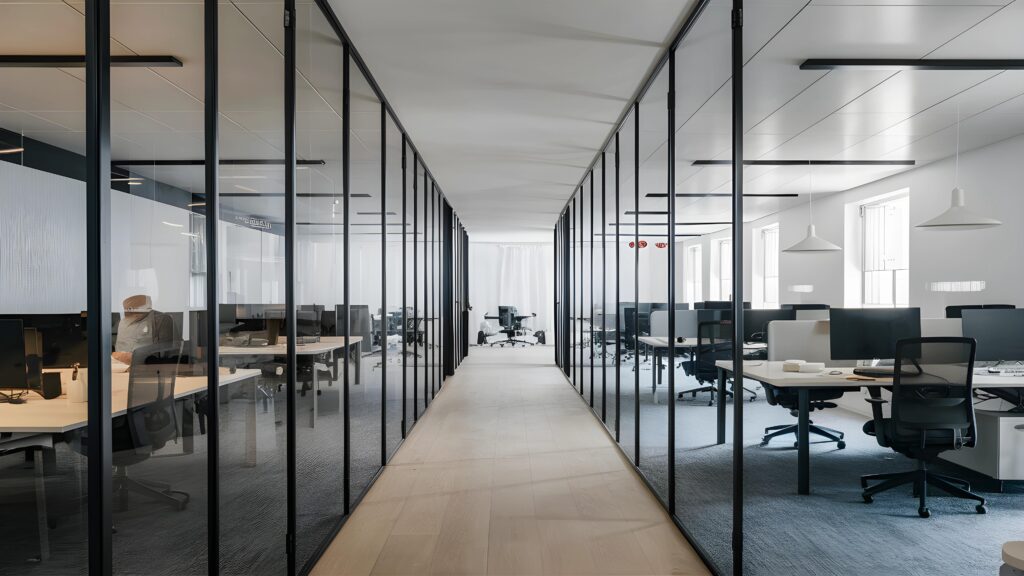
Can glass Partitions Reduce Noise? In recent years, glass partitions have become a popular feature in open plan offices, retail spaces, and even residential interiors. They bring in natural light, create an open environment whilst enabling segregation and deliver a sleek, modern aesthetic. However, a common question is glass partitions actually reduce noise? The simple answer is yes, but with a caveat. While standard glass such as double glazed glass partitions provide some level of sound control, true noise reduction depends on using specially designed acoustic glass and proper installation techniques. Let’s explore how this works and what you need to consider when choosing glass partitions with noise pollution in mind. Understanding Sound and Glass Sound moves in waves and can pass through solid materials, reflect off surfaces, or be absorbed. Standard glass, while solid, is relatively thin and dense, meaning it can block some sound but also allows a significant amount to pass through. This is why a single-pane glass partition won’t completely eliminate external noise between rooms. Conversations, phone calls, and general office activity can still be heard, which may not be ideal in productive environments where privacy and concentration is important. Do Glass Partitions Reduce Noise? Glass partitions can reduce noise to a certain extent, especially when compared to open-plan layouts with no barriers at all. Even basic glass systems act as a physical divider, helping to minimise direct sound transmission. However, standard glass partitions are not specifically engineered to act as soundproof glass. They may reduce noise transmission slightly, but they won’t fully prevent sound from travelling between spaces. This means that in busy offices or commercial settings, additional acoustic performance may be required. The Role of Acoustic Glass If noise reduction is a priority, the best solution is acoustic glass. This type of glass is specially designed to improve sound insulation and create quieter environments. Acoustic glass is typically made by bonding two or more panes of glass with a special interlayer, often a sound-dampening material such as PVB (polyvinyl butyral). This interlayer absorbs sound vibrations, significantly reducing the amount of noise that passes through the partition. Key Benefits of Acoustic Glass: With the right specification, acoustic glass partitions can dramatically reduce noise levels, making them suitable for even high-demand environments. Factors That Affect Noise Reduction It’s important to note that not all glass partitions perform the same. Several factors influence how much noise is reduced: Thicker glass generally provides better sound insulation. Multi-layered or laminated glass performs significantly better than single panes. Acoustic laminated glass offers far superior performance compared to standard toughened glass. The added interlayer is crucial for dampening sound. Even the best acoustic glass won’t perform effectively if there are gaps in the installation. Proper sealing around glass edges, doors, and joints is essential to prevent sound leakage. Framed glass partitions can sometimes offer enhanced acoustic performance compared to frameless systems, as they provide additional sealing and structural support. Sound can easily escape through door gaps. Acoustic-rated doors and seals are often necessary to maintain consistent sound insulation across the entire system. Are Glass Partitions Soundproof? It’s important to clarify that glass partitions are not completely soundproof, even when using acoustic glass. True soundproofing requires specialised construction methods and materials, often involving multiple layers and isolated structures. However, acoustic glass partitions can achieve excellent sound reduction, making them more than adequate for most commercial and residential applications. They strike a balance between aesthetics and functionality—offering quieter environments without sacrificing design. Ideal Applications for Acoustic Glass Partitions Acoustic glass partitions are particularly beneficial in spaces where noise control is essential. These include: By incorporating acoustic glass, these environments can enjoy the visual benefits of glass while significantly improving comfort and usability. Balancing Design and Performance One of the biggest advantages of glass partitions is their ability to combine style with practicality. With advancements in acoustic technology, it’s no longer necessary to compromise on design to achieve better sound control. At UKO Glass, we design bespoke partition systems that meet both aesthetic and performance requirements. Whether you’re aiming for a sleek frameless look or a more structured system, acoustic options can be seamlessly integrated into your design. So, Can Glass Partitions Reduce Noise? Yes, but the level of noise reduction depends heavily on the type of glass used. Standard glass partitions offer only basic sound control, while acoustic glass provides a significant improvement by absorbing and dampening sound waves. For businesses looking to create quieter, more functional spaces, investing in acoustic glass partitions is a smart choice. With the right materials and professional installation, you can enjoy all the visual benefits of glass without the drawbacks of excessive noise. If you’re considering glass partitions for your space, UKO Glass can help you find the perfect solution—combining cutting-edge acoustic performance with exceptional design. Want to find out more? Drop us an email today on theteam@ukoglass.co.uk.

Can Glass Partitions Reduce Noise? Read More »

6 Simple Ways to Make Your Home Brighter

6 Simple Ways to Make Your Home Brighter

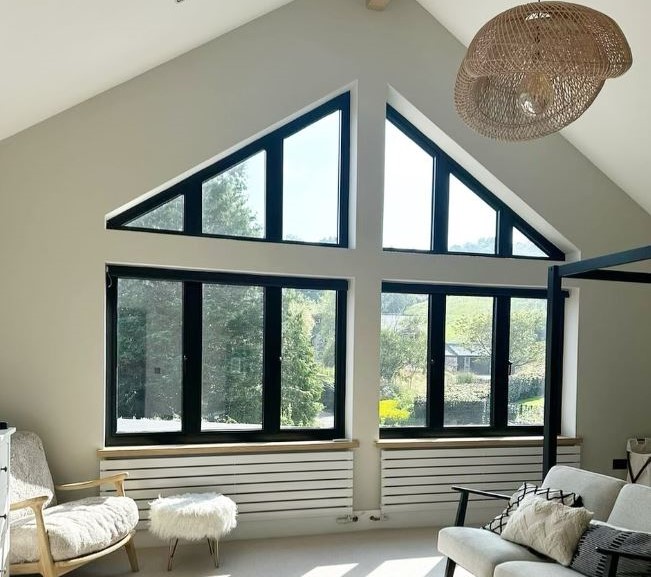
6 Simple Ways to Make Your Home Brighter A brighter home feels bigger, fresher, and more inviting and you don’t need a full renovation to achieve it. Simple changes can transform dark or dull rooms into light-filled spaces you love spending time in. At UKO Glass, we specialise in high‑performance glass and bespoke glazing solutions designed to enhance homes with maximum natural light. Whether you’re upgrading your windows, refreshing your glazing, or simply looking for smart interior tweaks, here are six simple ways to make your home brighter. 1. Choose Glass That Maximises Natural Light Your windows and glazed units play a huge role in how much light makes it into your home. If your current glazing is outdated or tinted, it could be blocking valuable sunlight. Upgrading to modern, high‑clarity units helps: Upgrading old windows or replacing blown units instantly lets more light into room and improves the overall appearance. 2. Add Oversized or Floor‑to‑Ceiling Glazing If you’re planning home improvements, larger glazed areas make a dramatic difference. Oversized units are ideal for: More glass = more light. Thanks to modern thermal technologies, you can enjoy the extra brightness without losing warmth. 3. Use Lighter Colours Throughout Your Space One of the simplest ways to brighten a home is through colour. Lighter co reflect sunlight and make the room feel lighter, while dark colours absorb it. Try: Pairing these with clear, high-performance glazing helps distribute natural light evenly across the room. 4. Keep Your Windows Clean and Unobstructed It sounds simple, but it makes a real difference. Dust, fingerprints, and outdoor dirt all reduce the amount of light passing through your windows. To maximise brightness: Better clarity = better light transmission. 5. Add Mirrors to Bounce Light Around the Room Mirrors are one of the oldest interior design tricks for a reason, they instantly make any room feel bigger and brighter. Mirror placement can help reflect light around the room, consider placing mirrors: A well‑positioned mirror can double the amount of natural light in a space and reflect light around your home. 6. Consider Rooflights for Hard‑to‑Brighten Spaces If you have a kitchen extension, loft conversion, hallway or internal room that struggles for daylight, rooflights are a game changer. Homeowners can now choose from: Because rooflights bring light directly from above, they can brighten areas that traditional windows never reach. Ready to Transform Your Home With More Natural Light? At UKO Glass, we manufacture high‑performance glazing with fast lead times, precision quality, and a wide range of options, including: If you’re planning a renovation, replacing old units, or simply exploring ways to brighten your home, our team is here to help. Call us on 01422 861116 to chat to a member of our team today!

6 Simple Ways to Make Your Home Brighter Read More »

             CALL THE TEAM ON 01422 861116

X