
Bifold doors have become one of the most sought-after home improvement products in recent years, offering homeowners the opportunity to create bright, open-plan spaces that seamlessly connect indoor and outdoor areas. Whether you’re designing a contemporary extension, upgrading existing doors, or choosing glazing for a new-build project, selecting the right glass is one of the most important decisions you’ll make.
While many people focus on the aluminium frame, colour, hardware, or configuration of their bifolding doors, the glazing itself is responsible for much of the system’s performance. The right glass can improve energy efficiency, reduce heat loss, enhance security, minimise external noise, and help create a more comfortable living environment throughout the year.
So, which glass is best for bifold doors? The answer depends on your priorities, but for most homeowners, a combination of high-performance double glazing, Low-E coatings, safety glass, and argon gas-filled units provides the ideal balance of thermal efficiency, security and durability.
In this guide, we’ll explore the key glass types available for bifold doors and explain how to choose the right specification for your home.
Why Is Glass So Important in Bifold Doors?
Unlike traditional doors, bifold doors consist primarily of glass panels. In many installations, the glazing accounts for more than 80% of the visible door system, making it one of the biggest influences on overall performance.
The glass you choose can affect:
- Energy efficiency
- Thermal efficiency
- Heat loss
- Security
- Noise reduction
- Natural light
- Solar heat gain
- Maintenance requirements
- Comfort levels throughout the room
Modern glass manufacturers now offer a wide range of specialist glass options designed to meet specific performance requirements, helping homeowners achieve the perfect balance between aesthetics and functionality.
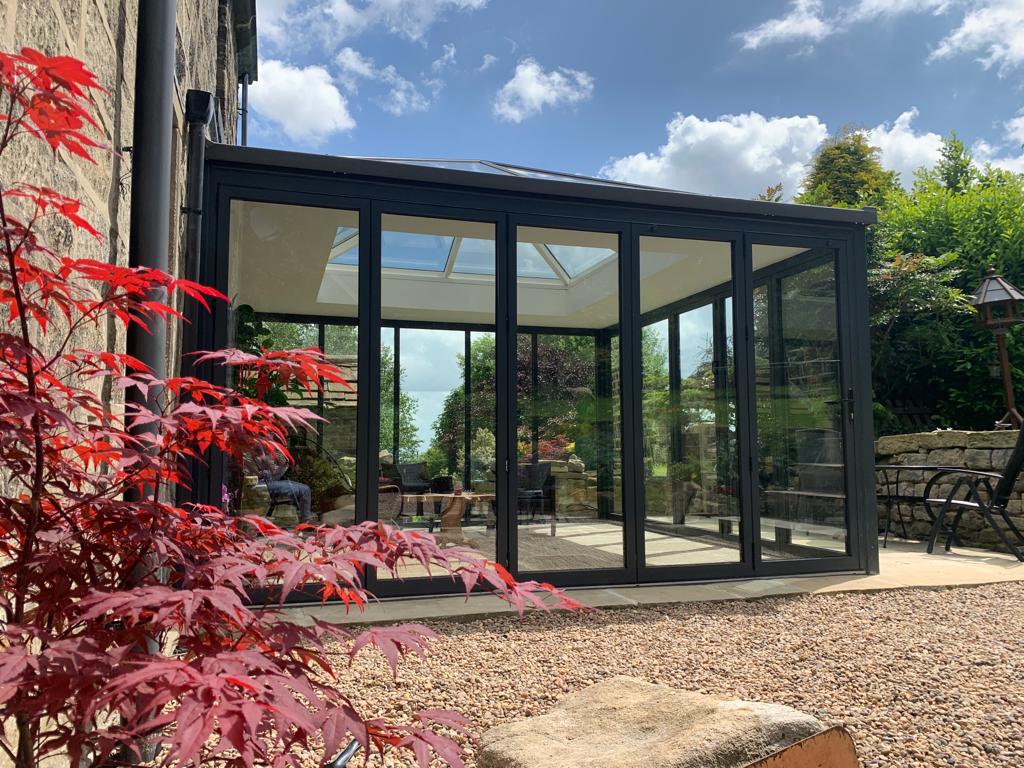
Double Glazing: The Standard Choice for Bifold Doors
The vast majority of modern bifolding doors feature double glazed glass panels as standard.
Double glazing typically consists of a:
- 4mm glass pane
- 16mm cavity
- 4mm glass pane
This creates a sealed air space between the panes that helps reduce heat transfer.
Many double glazed units are also filled with argon gas rather than air, helping improve insulation even further.
Benefits of Double Glazing
- Excellent thermal efficiency
- Reduced heating bills
- Lower heat loss
- Improved comfort
- Reduced condensation
- Better energy efficiency
Double glazing traps air or argon gas to lower U-values and reduce heat loss. Cavities filled with argon gas significantly slow down thermal transfer, helping retain more internal heat energy within the house.
For most homeowners, double glazing offers the best balance between performance, affordability and practicality.
Triple Glazing: Maximum Thermal Performance
Triple glazing incorporates three panes of glass rather than two, creating an additional insulating cavity.
Because of this extra barrier, triple glazing is more energy efficient than double glazing and offers improved insulation performance.
Advantages of Triple Glazing
- Enhanced thermal efficiency
- Lower U-values
- Reduced heat transfer
- Better external noise reduction
- Increased year-round comfort
Triple glazing can reduce U-values down to approximately 1.0-1.1 W/m²K and provides superior thermal and acoustic insulation.
Triple glazing is also better at stifling noise than double glazing, making it a popular choice for homes in busy urban areas.
However, there are some considerations:
- Triple-glazed windows are heavier than double-glazed windows
- Triple glazing requires bulkier frames
- Maximum panel sizes can be restricted
- Triple glazing is generally more expensive than double glazing
While triple glazing offers outstanding performance, double glazing remains standard for most bifold doors due to the balance it provides between performance, weight and cost.
Understanding Low-E Glass
One of the most important developments in modern glazing is Low-E glass, also known as low-e coated glass.
Low-E stands for low emissivity, meaning the glass has a microscopic transparent special coating designed to improve thermal performance.
How Low-E Glass Works
A Low-E coating reflects internal heat energy back into the room while allowing natural sunlight to pass through the glass.
The result is:
- Less heat loss
- Better thermal efficiency
- Improved energy efficiency
- Lower heating bills
- Better indoor comfort
Low-emissivity glass significantly reduces heat loss while helping maintain comfortable temperatures throughout the year.
Modern low-e glass also helps minimise UV and infrared light penetration while still allowing ample natural light to enter the living space.
For most bifold doors, Low-E glazing should be considered essential.
Safety Glass: A Requirement for Bifold Doors
Because bifold doors feature large panes of glass extending close to floor level, building regulations require the use of safety glass.
Safety glass helps reduce the risk of injury should breakage occur and must conform to British Standards.
The two most common forms of safety glazing used in bifold doors are:
- Toughened glass
- Laminated glass
The industry standard for bifold doors uses treated safety glasses with advanced double or triple glazing.
Toughened Glass Explained
Toughened glass, sometimes referred to as tempered glass, undergoes thermal or chemical processing during manufacture.
This process dramatically increases its strength compared to ordinary glass.
Benefits of Toughened Glass
- Up to five times stronger than standard annealed glass
- Highly resistant to impact
- Enhanced durability
- Improved safety
- Excellent performance in large panes
When broken, toughened glass shatters into small blunt fragments rather than dangerous shards, reducing the risk of injury.
Because of its strength, toughened glass is a common type of safety glass used throughout modern door systems.
Laminated Glass Explained
Laminated glass consists of two panes bonded together using a durable plastic layer.
This construction works similarly to a car windscreen, where the interlayer helps hold the glass together if broken.
Advantages of Laminated Glass
- Enhanced security
- Improved sound insulation
- Greater resistance to forced entry
- Additional safety
Laminated glass uses a plastic interlayer for enhanced security and acoustic performance.
In many situations, laminated glass is considered safer than toughened glass because it remains largely intact after impact.
Laminated safety glass is often specified for ground-floor openings and is frequently required by building regulations.
Because laminated glass holds together if shattered, it can provide better security for homes looking to remain home secure.
Acoustic Glass for Noise Reduction
If your property is located near:
- Busy roads
- Airports
- Railways
- Urban centres
then acoustic glass may be worth considering.
Acoustic glass is specifically engineered to minimise the transfer of external noise into the home.
Benefits of Acoustic Glass
- Improved comfort
- Better concentration
- Reduced traffic noise
- Enhanced indoor environment
Double-glazed panels effectively reduce outside noise pollution, but specialist acoustic glass can provide even better results.
In some applications, laminated glass can reduce sound by up to 10 decibels when compared with standard glazing options.
As a result, acoustic glass is particularly beneficial in noisy environments where peace and quiet are important.
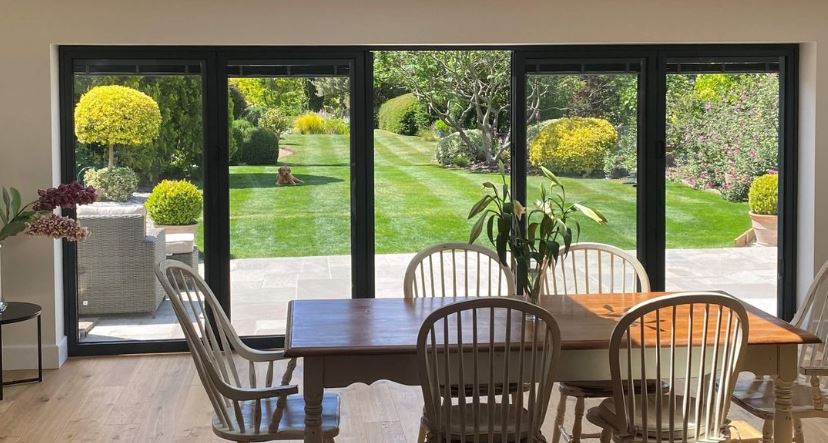
Solar Control Glass for South-Facing Homes
A large expanse of glazing can dramatically transform a room, bringing in more natural light and improving views of your outdoor living space.
However, in south facing extensions or open plan living areas, excessive solar gain can lead to overheating during hot weather.
What Is Solar Control Glass?
Solar control glass features a specialist coating designed to reduce excess solar heat while maintaining high levels of visible light.
Benefits include:
- Improved comfort
- Reduced glare
- Less heat build-up
- Better temperature control
- Improved year-round usability
For properties with large expanses of glass or bifold and sliding doors facing the sun, solar control glass can be a valuable addition.
U-Values and Energy Efficiency
When evaluating glazing options, you’ll often come across the term U-value.
A U-value measures how much heat passes through a building component.
Put simply:
- Lower U-values indicate better insulation
- The lower the U-factor, the more energy efficient the doors are
Modern double glazed bifold doors commonly achieve U-values around 1.0W/m²K to 1.4W/m²K, depending on the overall specification.
Factors that improve thermal performance include:
- Low-E coatings
- Triple glazing
- Argon gas filling
- Warm-edge spacer bars
- Thermally broken frames
Warm-edge spacer bars improve overall insulation and reduce condensation, while argon gas filling reduces heat transfer through convection compared to air.
Why Aluminium Frames Are Ideal
While glazing is critical, the frame also contributes significantly to overall performance.
Aluminium is widely regarded as the preferred material for bifold doors thanks to its:
- Strength
- Durability
- Slim sightlines
- Low maintenance requirements
- Modern aesthetics
Premium aluminium systems incorporate a thermal break between inner and outer frame sections.
This thermal break helps reduce heat transfer through the frame itself, significantly improving energy efficiency.
Compared with many other materials, aluminium provides outstanding structural integrity while supporting large panes of glass.
Additional Glass Options
Depending on your project, there are several additional glazing upgrades available.
Integral Blinds
Integral blinds are sealed within the glazing unit.
Benefits include:
- Reduced maintenance
- Enhanced privacy
- Improved protection from dust and damage
Different Thicknesses
Glass panels can be supplied in different thicknesses depending on:
- Panel sizes
- Wind load requirements
- Security requirements
- Acoustic performance goals
Specialist Coated Glass
Modern coated glass can provide additional:
- Solar control
- Thermal efficiency
- Privacy
- UV protection

Which Glass Is Best for Bifold Doors?
For most homeowners, the best glass specification combines multiple technologies rather than relying on a single product.
A high-performance bifold door specification may include:
- Double glazed or triple glazing units
- Low-E coated glass
- Argon gas-filled cavities
- Toughened glass or laminated glass
- Warm-edge spacer bars
- Solar control glass where required
- Acoustic glass for noise-sensitive locations
This combination provides an excellent balance of:
- Security
- Energy efficiency
- Thermal performance
- Durability
- Noise reduction
- Comfort
Final Thoughts
When asking “Which glass is best for bifold doors?”, there is no one-size-fits-all answer. The right glass depends on your property’s location, your budget and your performance priorities.
For the vast majority of homeowners, Low-E toughened glass offers the best balance for bifold doors, delivering excellent thermal efficiency, safety and value. However, those seeking enhanced security may benefit from laminated glass, while acoustic glass can be invaluable where external noise is a concern. For south-facing rooms, solar control glass may help prevent overheating and improve comfort.
Ultimately, the ideal glass configuration for bifold doors balances thermal insulation, safety and durability. Whether you’re upgrading existing doors, installing new bifolding doors, replacing French doors or designing a modern open-plan extension, choosing the right glazing will ensure your bifold doors perform as beautifully as they look for years to come.
At UKO Glass, we supply high-performance glazing solutions for bifold doors, sliding doors, windows and architectural glazing projects. Our team can help you choose the right glass for your installation, ensuring exceptional performance, security and comfort in every space. Get in touch with a member of the team today!
Pingback: Are Glass Doors Worth the Investment? - UKO Glass