
How Long Can Fire-Rated Glass Resist Fire?
When it comes to fire safety, every second matters. The materials used within a building can play an important role in containing fire, limiting its spread and helping people reach safety. Fire-rated glass is designed specifically for this purpose, providing a transparent barrier that can withstand extreme heat and help prevent flames, smoke and hot gases from passing through for a defined period. But exactly how long can fire-rated glass resist fire? In this guide, we’ll discuss more about this and why choosing the correct glazing solution is so important.
What Is Fire-Rated Glass?
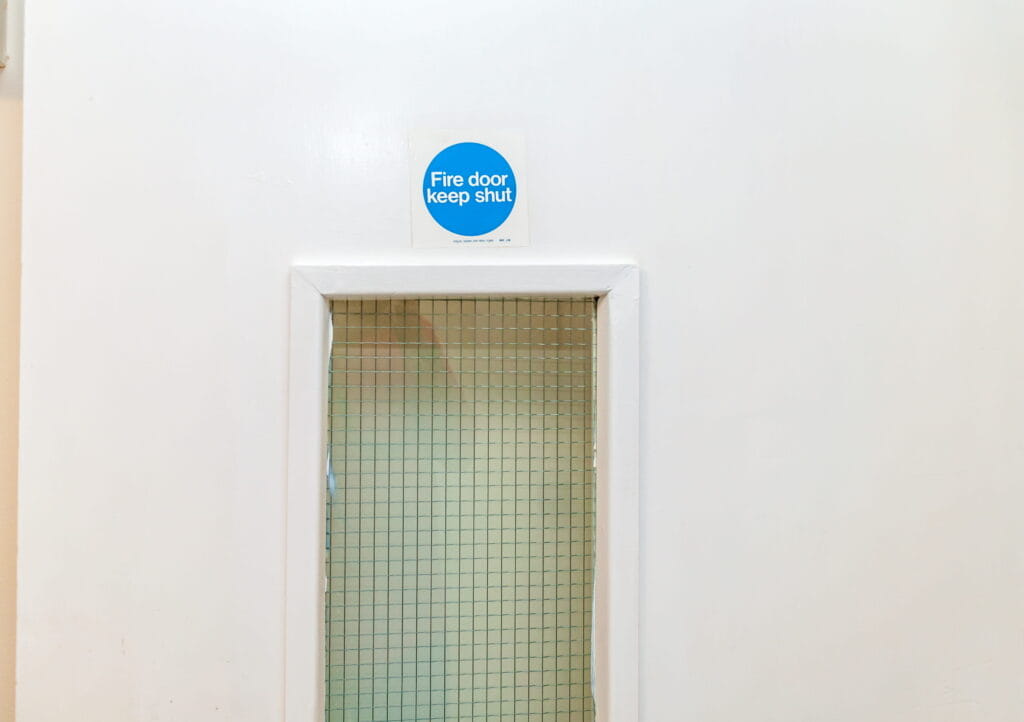
Fire-rated glass is specialist glazing engineered to perform under the extreme conditions of a fire. Unlike standard glass, which can crack, break or lose its structural integrity when exposed to intense heat, fire-rated glass maintains its performance for a specified period. This allows it to act as a barrier between different areas of a building, helping to contain fire and smoke. It is particularly useful in areas where fire compartmentation is important, including fire doors, internal partitions, stairwells, windows and other glazed structures.
One of the major advantages of fire-rated glass is that it can provide this protection while still allowing natural light and visibility to pass through. This makes it a practical solution for buildings where safety is essential but there is also a need to maintain an open, bright environment.
How Long Does Fire-Rated Glass Resist Fire?
Fire-rated glass does not have one universal fire-resistance time. Instead, testing classifies its performance based on how long it can meet specific requirements when exposed to fire.
Common fire-resistance ratings include 30, 60, 90 and 120 minutes, depending on the type of glass and glazing system.
At UKO Glass, our fire-rated solutions can provide protection for up to 120 minutes and integrity for up to 260 minutes.
What Does a Fire Rating in Minutes Actually Mean?
You may have seen fire-rated glass described as 30-minute, 60-minute or 120-minute glass. But what does this actually mean?
The number shows how long the glazing can meet its specified fire-performance criteria during controlled testing.
For example, a 60-minute fire-rated glazing system is designed to provide the required level of performance for 60 minutes during the relevant fire test.
However, this doesn’t mean that the glass will necessarily fail immediately after that period. Instead, the rating represents the tested performance of the complete system against the specific criteria for which it has been assessed.
This distinction is important because fire performance isn’t determined by the glass alone. The frame, seals, fixings and installation method can all have an impact on how the complete glazing system performs during a fire.
What Is Fire Integrity?
When discussing fire-rated glass, you’ll often come across the term “integrity”.
Fire integrity refers to the ability of a glazing element to prevent flames and hot gases from passing through to the non-fire side for a specified period.
Maintaining integrity is particularly important when fire-rated glazing is being used to separate different areas of a building. If flames and hot gases are able to pass through the glazing, the fire could spread into another compartment or area. Fire-rated glass maintains its integrity under intense fire conditions, helping create a barrier between the fire and areas that need protection.
How Is Fire-Rated Glass Tested?
Fire-rated glass undergoes rigorous testing to determine how it performs when exposed to high temperatures and fire.
During a fire test, the glazing faces controlled heat conditions designed to replicate the intense temperatures of a developing fire. Assessors then evaluate its performance against the relevant criteria.
Testing can assess factors including how long the glass remains intact and whether flames or hot gases are able to pass through the glazing.
Does Fire-Rated Glass Stop Fire From Spreading?
One of the main purposes of fire-rated glazing is to help contain a fire and limit its spread.
Buildings can be divided into different fire compartments to help prevent fire from quickly moving from one area to another. Glazed sections within these areas need to provide appropriate levels of fire performance so that they don’t become a weak point in the overall fire strategy. Fire-rated glass is particularly valuable in areas such as stairwells and escape routes, where visibility can be important during an emergency.
Where Is Fire-Rated Glass Used?
Fire-rated glass has a wide range of applications across commercial, public and other buildings where fire safety is a key consideration.
Common applications include:
- Fire doors
- Internal partitions
- Stairwells
- Escape routes
- Commercial buildings
- Public buildings
- Schools
- Hospitals
- Offices
- High rise buildings
Does Fire-Rated Glass Last Forever?
The fire rating of glass refers to its tested performance during a fire, rather than its everyday lifespan.
Fire-rated glass doesn’t simply “expire”. The number refers to how long it is designed to meet specific performance criteria when subjected to fire conditions.
As with any glazing product, however, fire-rated glass should be properly maintained and inspected. Damage such as cracks, significant scratches or delamination can affect the condition of the glazing. It’s also important to ensure that the surrounding frame, seals and other components remain in good condition. Regular checks can help identify any visible issues and ensure that the glazing remains suitable for its intended application.
Fire-Rated Glass From UKO Glass
At UKO Glass, we supply made-to-order fire-rated glass for projects where fire safety and performance are essential.
Our fire-rated solutions withstand high temperatures and help prevent the spread of flames, smoke and hot gases. Our glass can provide fire protection for up to 120 minutes and integrity for up to 260 minutes.
Need fire-rated glass for your next project? Get in touch with UKO Glass on 01422 861116 today!
Pingback: How Does Fire-Rated Glass Actually Work?