
When discussing insulated glass units (IGUs), most conversations focus on the glass itself. Homeowners and installers often look at glazing specifications, coatings, gas fills, and energy ratings. However, one component that plays a surprisingly important role in the overall performance of a sealed unit is the spacer bar.
Spacer bars sit around the perimeter of a double or triple glazed unit, creating the gap between panes of glass and helping to contain the insulating gas within the cavity. While they may seem like a small detail, the type of spacer bar used can have several advantages on thermal efficiency, condensation resistance, and overall window performance.
Today, one of the biggest distinctions in IGU manufacturing is the difference between warm-edge spacer bars and standard aluminium spacer bars. Understanding how they work and what separates them can help fabricators, installers, and homeowners make more informed decisions when specifying glazing products.
What Is a Spacer Bar?
A spacer bar is the component positioned around the perimeter of a double or triple glazed unit. Its primary role is to maintain an even gap between the panes while helping create a sealed cavity filled with air or insulating gases such as argon.
The spacer system also contains a desiccant, which absorbs any residual moisture within the cavity and helps prevent condensation from forming between the panes.
Without spacer bars, modern insulated glass units simply wouldn’t be possible. While the component occupies only a small percentage of the window’s overall surface area, it can significantly impact the thermal performance of the entire glazing system.
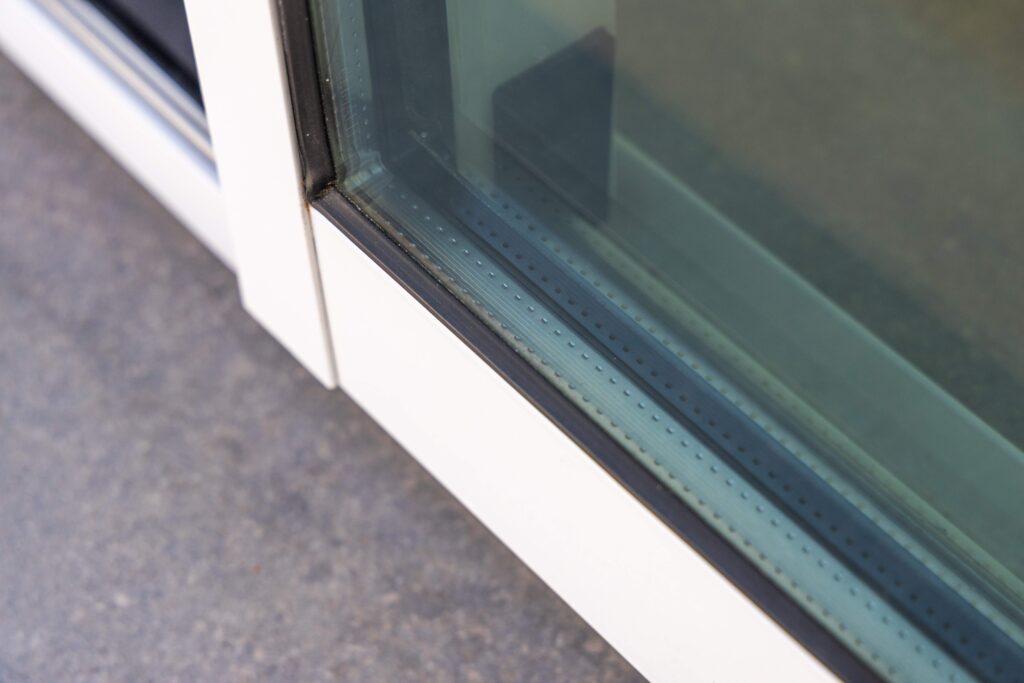
What Is a Standard Spacer Bar?
Traditionally, spacer bars have been manufactured from aluminium.
Aluminium became the go-to material because it is lightweight, durable, corrosion-resistant and easy to manufacture at scale. For many years, aluminium spacers were the industry standard across double glazing production.
However, aluminium has one major disadvantage: It is an excellent conductor of heat.
In fact, aluminium has a thermal conductivity of approximately 160 W/mK, meaning it allows heat to travel through it very efficiently.
As a result, aluminium spacer bars create what is known as a thermal bridge. This allows heat to escape more readily around the perimeter of the glass unit, causing the edge of the window to become significantly colder than the centre.
This can lead to:
- Increased heat loss
- Reduced thermal efficiency
- Lower internal glass edge temperatures
- Greater risk of condensation
- Potential cold spots near windows
While aluminium spacers still perform their structural role effectively, improvements in building regulations and energy efficiency standards have driven demand for better alternatives.
What Is a Warm-Edge Spacer Bar?
Warm-edge spacer bars were specifically developed to reduce heat transfer around the perimeter of glazing units.
Rather than relying solely on metal, warm-edge systems are manufactured using low-conductivity materials such as:
- Structural foam
- Composite polymers
- Fibreglass-reinforced materials
- Hybrid stainless steel systems
These materials dramatically reduce the flow of heat through the edge of the glass unit. The result is a significantly warmer edge-of-glass temperature and improved overall window performance.
The Key Difference: Thermal Conductivity
The biggest difference between standard aluminium spacers and warm-edge spacers comes down to thermal conductivity.
Think of thermal conductivity as the speed at which heat can pass through a material. The higher the figure, the easier it is for heat to move through it.
With an aluminium spacer bar conducting heat at around 160 W/mK compared with some warm-edge alternatives at just 0.15 W/mK, the performance difference becomes easy to understand.
By reducing heat transfer around the perimeter of the sealed unit, warm-edge technology creates a more consistent temperature across the glass.
This helps eliminate one of the weakest thermal points in a traditional IGU construction.
Improved Window U-Values
One of the most important benefits of warm-edge technology is its contribution to overall thermal performance
Window performance is commonly measured using a U-value. The lower the U-value, the better the insulating performance of the window.
Because warm-edge spacers reduce heat transfer around the perimeter of the glass, they can improve overall window U-values by up to 0.2 W/m²K.
While this may sound like a relatively small figure, in the world of window performance it can make a meaningful difference.
For manufacturers and installers trying to meet modern Building Regulations and increasingly stringent energy standards, every improvement counts.
Reduced Heating Costs
Improved thermal performance doesn’t just benefit compliance requirements.
It can also have a direct impact on running costs and energy savings.
By reducing heat loss through the glazing system, warm-edge spacers help improve insulation and retain more warmth inside the building.
This means heating systems don’t need to work as hard to maintain comfortable indoor temperatures, potentially contributing to lower energy consumption and reduced heating costs over time.
For homeowners looking to improve energy efficiency, warm-edge technology represents a simple upgrade that continues delivering benefits year after year.
A Significant Reduction in Condensation
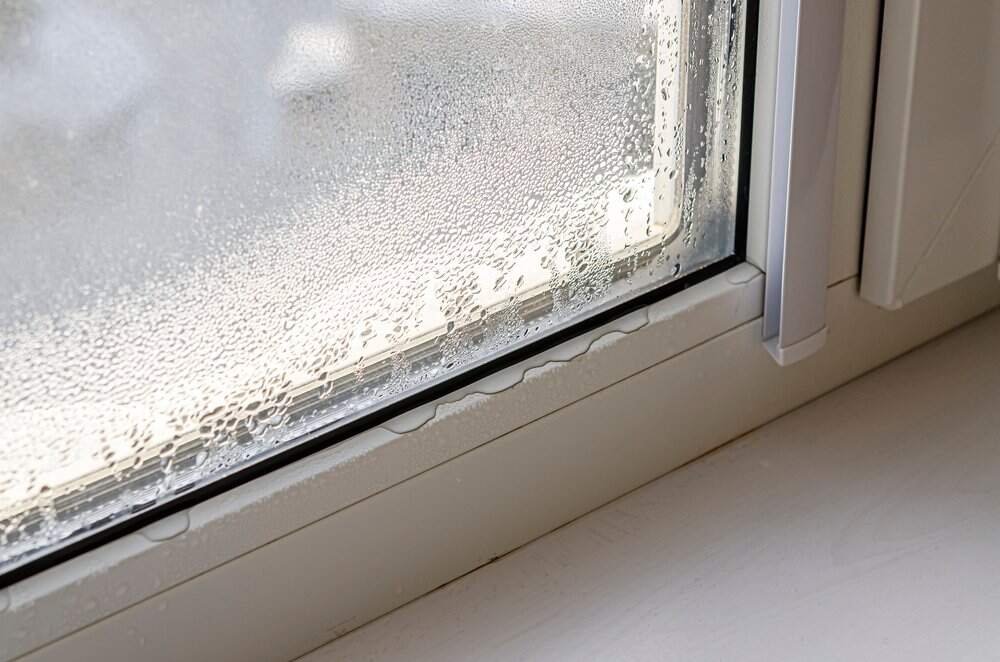
One of the most noticeable differences between aluminium and warm-edge spacers is the effect they have on condensation.
Condensation occurs when warm, moisture-laden air comes into contact with a surface that has cooled below its dew point temperature.
Because aluminium conducts heat so efficiently, the edge of the glass often becomes the coldest part of the window.
This creates ideal conditions for condensation formation around the perimeter of the glass.
Common signs include:
- Water droplets on the glass edge
- Damp corners
- Moisture build-up during winter
- Increased risk of mould growth in severe cases
Warm-edge technology helps combat this problem by keeping the edge of the glass warmer.
Studies have shown that warm-edge spacers can reduce edge condensation by around 40% compared with traditional aluminium spacers. As a result, homeowners benefit from drier windows, less moisture build-up and a healthier indoor environment.
Enhanced Comfort Throughout the Year
Energy efficiency isn’t only about reducing bills.
It’s also about creating a more comfortable living environment.
Traditional spacer bars can create noticeable cold spots around windows during colder months. Even when there is no actual draught, occupants may experience discomfort from radiated cold temperatures at the edge of the glass.
Warm-edge spacer bars help maintain more stable indoor temperatures throughout the year by minimising these cold zones.
This creates a more comfortable environment and contributes to a better overall perception of window quality.
Warm-Edge Spacers and Triple Glazing
The benefits of warm-edge technology become even more apparent when paired with triple glazing.
Triple glazed units are designed to maximise thermal efficiency, but using a highly conductive aluminium spacer can undermine some of those gains.
Warm-edge spacer systems help ensure the perimeter of the glazing performs at a level consistent with the rest of the glass specification.
For this reason, warm-edge technology is now commonly specified as standard in many premium triple glazed systems.
Are Aluminium Spacer Bars Still Used?
Yes.
Although warm-edge technology has become increasingly popular, aluminium spacer bars are still used across various glazing applications.
Reasons include:
- Lower upfront manufacturing costs
- Familiar production processes
- Suitability for certain project specifications
- Historic industry acceptance
However, as customers place greater importance on energy efficiency and condensation control, warm-edge spacers are increasingly becoming the preferred choice.
Many modern IGU manufacturers now treat warm-edge spacers as the standard specification rather than a premium upgrade.
Why the Industry Is Moving Towards Warm-Edge Technology
Building regulations, energy standards and customer expectations are all moving in the same direction.
Today’s homeowners want products that:
- Improve energy efficiency
- Reduce heat loss
- Lower energy consumption
- Minimise condensation
- Increase comfort levels
Warm-edge technology helps achieve all of these goals while requiring only a relatively small change within the overall construction of the insulated glass unit.
As a result, it has become one of the most effective ways for manufacturers to enhance window performance without significantly increasing costs.
Final Thoughts
While spacer bars may not be the most visible component of an insulated glass unit, they play a crucial role in determining overall performance.
Traditional aluminium spacer bars have served the industry well for decades, but their high thermal conductivity creates thermal bridges that contribute to heat loss and condensation formation.
Warm-edge spacers offer a more advanced solution. Using low-conductivity materials that can be over 950 times less conductive than aluminium, they help improve insulation, enhance comfort and reduce condensation risks.
With the ability to improve window U-values by up to 0.2 W/m²K and reduce edge-of-glass condensation by around 40%, it’s easy to see why warm-edge technology has become the preferred choice for modern glazing systems.
At UKO Glass, we understand that every component within an IGU contributes to long-term performance. From precision glass washing and quality sealing systems to high-performance warm-edge spacer technology, every detail matters when manufacturing glass units that deliver exceptional thermal efficiency, durability and reliability.
Pingback: What Is an Insulated Glass Unit (IGU)? - UKO Glass