
Can You Recycle Glass?
Glass is one of the most common materials used in everyday life – from food jars and drink bottles to windows and decorative items. But when it comes to sustainability, many people still ask the same question: can you recycle glass? The short answer is yes, but there’s more to it than simply throwing it in your recycling bin.
In this blog, we’ll break down how glass recycling works, what types of glass can, and can’t, be recycled, and why it plays such an important role in reducing waste and protecting the environment.
Is Glass Recyclable?
Glass is 100% recyclable and can be recycled endlessly without losing its quality or purity. Unlike some materials that degrade over time, glass maintains its integrity no matter how many times it is reprocessed. This makes it one of the most sustainable materials available.
When glass is recycled, it is crushed into a material called cullet, which is then melted down and remoulded into new products. This process uses less energy than creating glass from raw materials, helping to reduce carbon emissions and conserve natural resources.
How Does Glass Recycling Work?
The glass recycling process is relatively straightforward, but it requires proper sorting and preparation to ensure efficiency.
- Collection
Glass is collected through household recycling bins, bottle banks, or commercial waste services. - Sorting
At recycling facilities, glass is sorted by colour – typically clear, green, and brown. This is important because mixing colours can affect the quality of new glass products. - Cleaning
Any contaminants such as labels, lids, or food residue are removed. - Crushing
The clean glass is crushed into cullet. - Melting and Remanufacturing
The cullet is melted in a furnace and moulded into new bottles, jars, or other glass products.
Because recycled glass melts at a lower temperature than raw materials, this process saves energy and reduces greenhouse gas emissions.
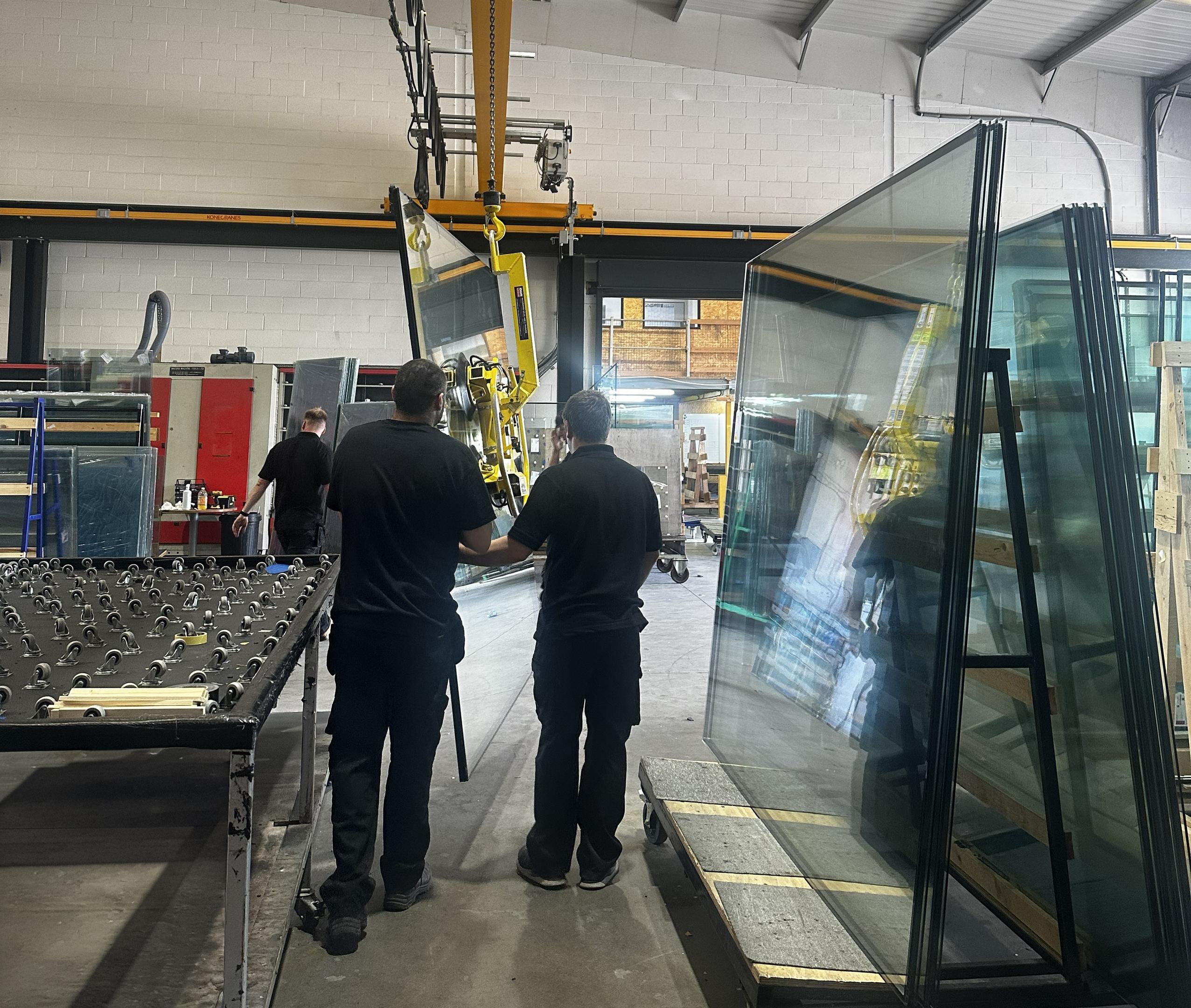
What Types of Glass Can Be Recycled?
While glass itself is recyclable, not all glass items can go into your household recycling bin. Generally, the following items are widely accepted:
- Glass bottles (e.g. drinks bottles)
- Glass jars (e.g. food containers)
These types of glass are manufactured to be easily recycled and processed in standard facilities.
What Glass Cannot Be Recycled?
This is where many people get caught out. Certain types of glass are treated differently during manufacturing and cannot be recycled with standard glass. These include:
- Window glass
- Mirrors
- Light bulbs
- Pyrex or heat-resistant glass
- Drinking glasses and cookware
- Ceramics and crystal
These materials have different melting points or chemical compositions, which can disrupt the recycling process and damage equipment. If you need to dispose of these items, it’s best to check with your local recycling centre for guidance.
Do You Need to Clean Glass Before Recycling?
Yes, but only lightly. You don’t need to scrub your glass spotless, but it should be free from excessive food or liquid residue. A quick rinse is usually enough. Also, remember to:
- Remove lids and caps (these are often recyclable separately)
- Avoid placing broken glass in your recycling bin unless your local authority allows it
Taking these small steps helps ensure the recycling process runs smoothly and reduces contamination.
Why Is Glass Recycling Important?
Recycling glass has significant environmental benefits:
1. Reduces Waste in Landfills
Glass is non-biodegradable, meaning it doesn’t break down naturally. Recycling helps keep it out of landfill sites where it would otherwise remain for thousands of years.
2. Saves Energy
Using recycled glass reduces the need for raw materials and lowers the energy required for production.
3. Conserves Natural Resources
Glass is made from sand, soda ash, and limestone. Recycling reduces the demand for these raw materials, helping to preserve natural ecosystems.
4. Lowers Carbon Emissions
Less energy use means fewer emissions, contributing to efforts to combat climate change.
Can Glass Be Reused Instead?
Before recycling, it’s always worth considering whether glass can be reused. Glass jars and bottles can be repurposed in a variety of ways, such as:
- Storage containers
- Plant pots
- Decorative items
- DIY projects
Reusing glass extends its lifespan and reduces the need for recycling altogether – making it an even more sustainable choice.
What About Window Glass?
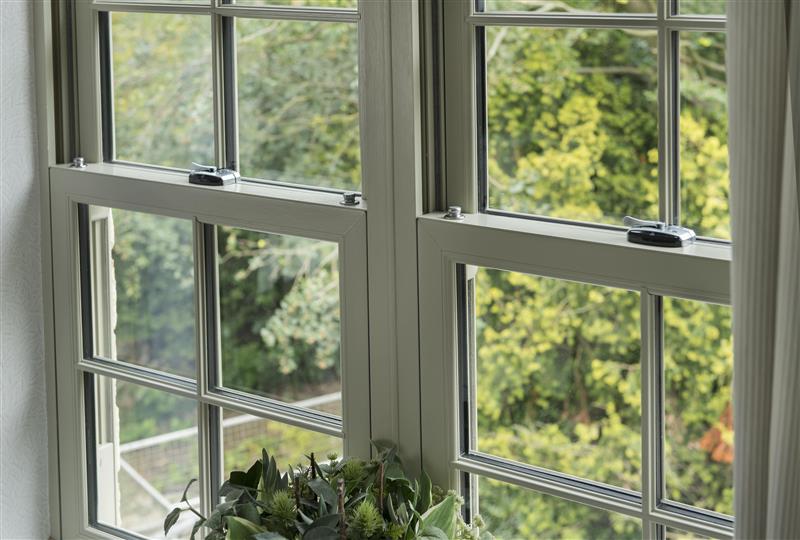
While glass bottles and jars are easy to recycle, glass used in windows is more complex. Window glass is often toughened or treated for insulation and durability, meaning it cannot be processed in the same way as container glass.
For products like uPVC windows, the frames themselves can often be recycled, but the glass units typically require specialist handling. Many manufacturers and installers offer recycling schemes or responsible disposal options, so it’s always worth checking before replacing your windows.
Tips for Recycling Glass Correctly
To make the most of your recycling efforts, keep these tips in mind:
- Check your local council guidelines
- Separate glass by colour if required
- Rinse containers before recycling
- Avoid mixing non-recyclable glass types
- Use designated bottle banks where available
Recycling rules can vary depending on your location, so staying informed ensures you’re doing it correctly.
So, Can You Recycle Glass?
Absolutely, and it’s one of the most effective ways to reduce waste and support a more sustainable future. However, understanding the differences between types of glass and following proper recycling practices is key.
By taking a few simple steps, you can help ensure that your glass waste is turned into something new, rather than ending up in landfill. Whether it’s a jar from your kitchen or a bottle from your last celebration, every piece of glass recycled makes a difference. If we all do our part, small actions like recycling glass can have a big impact on the environment.
At UKO Glass, we’re proud to manufacture high-quality glass products here in the UK. Want to learn more about our products or processes? Get in touch with our team today on 01422 861116.