
Low-E vs Low Iron Glass: Why They Get Confused (and Why It Matters)
If you’ve ever researched modern glazing, whether for windows, architecture, or interiors, you’ve likely come across two terms that sound similar: Low-E glass and low iron glass. At first glance, they seem interchangeable. After all, both are “advanced” glass types, both are used in high-performance buildings, and both are often recommended together. But here’s the truth: they are fundamentally different products designed for completely different purposes. So why do people confuse them so often? This blog breaks down what each type of glass actually is, how they differ, and most importantly, why the confusion persists.
What is Low-E Glass?
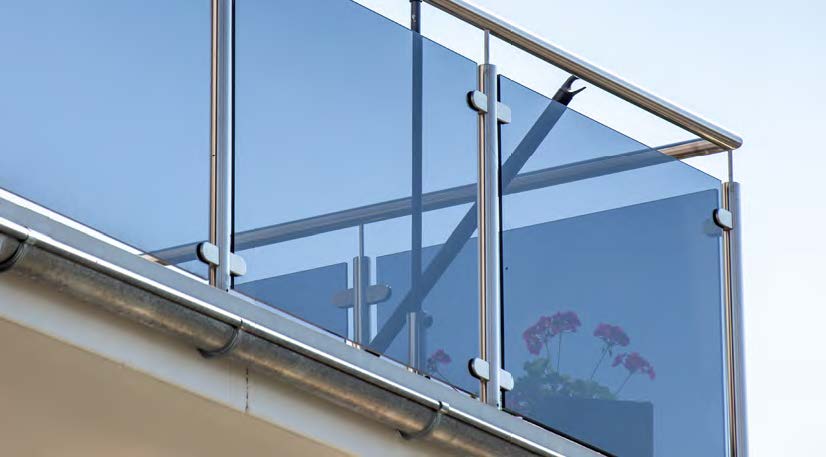
Low-E stands for low emissivity. In simple terms, Low-E glass is designed to control heat transfer.
It achieves this through a microscopically thin, invisible coating made from metal oxides. This coating reflects heat (infrared energy) while still allowing visible light to pass through.
What does that mean in practice?
- In winter: heat inside your home is reflected back into the room
- In summer: solar heat from outside is reflected away
- Result: improved insulation and energy efficiency
Low-E glass is therefore all about performance, particularly in reducing heating and cooling costs. It’s one of the key technologies used in modern double and triple glazing systems.
What is Low Iron Glass?

Low iron glass, on the other hand, is all about clarity and aesthetics.
Standard glass contains small amounts of iron oxide, which gives it a faint green tint,especially noticeable in thicker panes. Low iron glass is manufactured using purer raw materials with significantly reduced iron content, eliminating this tint.
Key characteristics:
- Higher transparency and light transmission (often over 90%)
- Neutral, colourless appearance
- No green edges or distortion
- Enhanced visual clarity for displays and architecture
Because of these qualities, low iron glass is commonly used in:
- High-end architectural glazing
- Glass facades and balustrades
- Museum displays and shopfronts
Unlike Low-E glass, low iron glass does not improve insulation, it is chosen for more aesthetic options.
The Core Difference (In One Sentence)
Low-E glass controls heat, while low iron glass enhances clarity.
That’s it. They solve completely different problems.
Why Do People Confuse Them?
Despite their differences, confusion between Low-E and low iron glass is extremely common. Let’s unpack the main reasons.
1. The Names Sound Nearly Identical
“Low-E” and “low iron” both begin with “low” and are often mentioned in the same contexts, windows, glazing, architecture.
For someone unfamiliar with glass technology, it’s easy to assume:
- “Low-E” = low energy glass
- “Low iron” = also some kind of energy-efficient glass
In reality, the “E” refers to emissivity, not energy efficiency directly, and low iron refers to material composition, not performance.
2. They’re Often Used Together
Modern glazing systems frequently combine both technologies:
- Low iron glass for maximum clarity
- Low-E coating for thermal efficiency
This combination delivers the “best of both worlds”: clear views and energy savings.
Because they’re bundled together in product specs, many people assume they’re variations of the same thing rather than complementary features.
3. Both Are Marketed as “Premium Glass”
Manufacturers and installers often promote both as high-performance upgrades over standard glass.
- Low-E = better insulation
- Low iron = better visual quality
But in marketing language, both get labelled as:
- “Advanced glazing”
- “High-performance glass”
- “Upgrade options”
This overlap in positioning makes it harder for customers to distinguish their actual functions.
When Should You Use Each?
Choose Low-E Coating if:
- Energy efficiency is a priority
- You want to reduce heating and cooling costs
Choose Low Iron Glass if:
- Visual clarity is critical
- Colour accuracy matters (e.g., displays, showrooms)
The Cost Factor
Low iron glass is typically more expensive due to the refined raw materials and stricter manufacturing processes required to reduce iron content.
Final Thoughts
Low-E glass and low iron glass are often confused because they share similar naming, overlapping applications, and are frequently used together. But at their core, they serve entirely different purposes.
- Low-E glass = energy efficiency and thermal control
- Low iron glass = clarity and visual quality
Want to find out more or explore options for your next project? Chat with us today on theteam@ukoglass.co.uk.