
What Is Laminated Glass?
Laminated glass represents a significant advancement in glazing technology, offering superior protection and versatility compared to conventional glass options. This specialised material consists of multiple glass layers bonded together with interlayers that maintains its integrity even when damaged. This comprehensive guide explores everything you need to know about this type of glass, from its manufacturing process to its diverse advantages and practical uses in modern construction and design.
Laminated Glass Explained
Laminated glass consists of two or more sheets of glass bonded together with one or more interlayers. These interlayers, typically made from polyvinyl butyral (PVB), create a strong adhesive bond between the glass panes. The resulting composite material offers exceptional strength and safety characteristics that surpass those of standard glass.
The manufacturing process involves carefully assembling the glass sheets with the interlayer material between them. Air is extracted through vacuum technology, creating a tight seal. The assembled layers undergo heat treatment and compression.
Unlike standard glass that shatters into dangerous shards when broken, laminated glass holds together due to the adhesive properties of the interlayer. This crucial characteristic makes it an excellent choice for applications where glass breakage could pose significant risks.
Toughened and Laminated Glass: Different Glass Types
Laminated and toughened glass represent two distinct approaches to enhancing glass safety, each with unique properties and applications.
Toughened glass, also known as tempered glass, undergoes a heat treatment process that increases its strength to approximately four to five times that of standard annealed glass. This enhanced strength makes it highly resistant to impact and thermal stress. However, when toughened glass does break, it shatters completely into small, relatively harmless granular pieces rather than sharp shards. This characteristic makes it suitable for applications where the primary concern is preventing injuries from broken glass.
In contrast, laminated glass derives its safety properties not from increased breaking resistance but from its ability to remain intact even when broken. The interlayer holds the glass fragments in place, preventing them from separating and creating dangerous shards. This property makes laminated glass particularly valuable for security applications, as it continues to function as a barrier even after being damaged.
Key Benefits of Laminated Safety Glass
Enhanced Security Protection
Laminated glass provides exceptional security benefits that make it an ideal choice for protecting properties against unauthorised entry. The interlayer forms a formidable barrier and resists penetration even after the glass breaks, significantly deterring potential intruders. Unlike standard glass, which intruders can quickly shatter to create an entry point, this glass demands sustained effort to breach, buying valuable time for security teams to respond or discouraging break-in attempts altogether.
The resistance to forced entry makes laminated glass particularly valuable for vulnerable areas such as ground-floor windows, patio doors, or any glazing accessible from outside. Even when subjected to repeated impacts from tools like hammers or bricks, the glass remains in place within its frame, preventing easy access.
Safety Advantages
When impact causes laminated glass to break, the fragments adhere to the interlayer rather than separating and falling. For homes with children or pets, laminated glass provides peace of mind by reducing injury risks associated with accidental impacts.
Common Applications of Laminated Glass
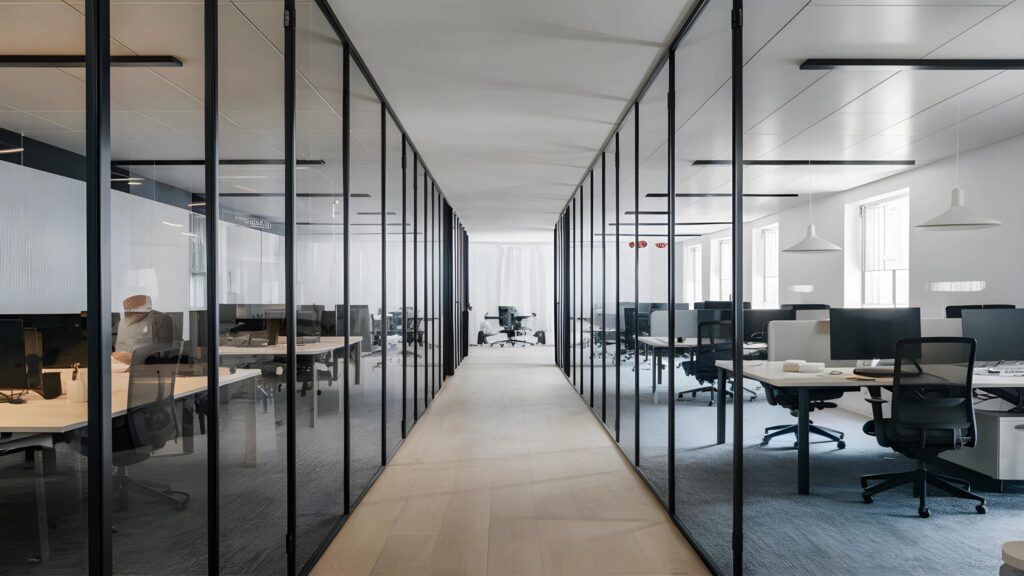
Laminated glass finds application across numerous settings where its unique properties provide practical benefits. In residential construction, builders commonly use it for external doors, ground-floor windows, and roof lights because its safety and security features provide protection and peace of mind.
Commercial applications include storefronts, display cases, and security partitions, where the material’s resistance to forced entry protects valuables while maintaining visibility. Museums and galleries utilise this type of glass to protect artifacts while allowing them to remain on display.
Laminated Glass from UKO Glass
Laminated glass represents an exceptional solution for enhanced safety, security, and comfort without compromising on aesthetics or natural lighting.
At UKO Glass, we are committed to delivering a wide range of laminated glass solutions that combine safety, durability, and refined design. Want to find out more? Drop us an email on theteam@ukoglass.co.uk.
Pingback: Toughened vs Laminated Glass: Which is the Best Choice?