
Why Does My Conservatory Get Too Hot?
A conservatory is one of the most enjoyable spaces in any home. It provides a bright, open area where you can relax, entertain guests, enjoy your garden views, or create an extension of your living space. However, many homeowners experience the same frustrating problem: their conservatory becomes unbearably hot, especially during the warmer months. But why does this happen, and what can be done to keep your conservatory cool?
The Greenhouse Effect
The biggest reason conservatories become too warm is due to the greenhouse effect. Conservatories are typically made with large areas of glass. While this glass allows sunlight to enter, it can also trap hot air and create heat build up inside.
When sunlight passes through the glass, it warms the surfaces inside your conservatory, including floors, furniture, walls, decorations, and soft furnishings. These surfaces then release heat back into the room. However, because the heat is trapped by the glass structure, it cannot escape easily, causing the temperature to continue rising.
This is why a conservatory can feel comfortable in the morning but become extremely hot by the afternoon when the sun has had several hours to heat the space.
Conservatory Roofs Are a Major Contributor
Although the windows and walls of a conservatory allow heat in, the conservatory roof is often the biggest cause of overheating. The glass or polycarbonate plastic roof receives direct sunlight throughout the day, especially during summer when the sun is higher in the sky.
Upgrading to a new conservatory roof can make a huge difference. Options such as a tiled roof can provide better insulation, improved thermal efficiency, and help regulate temperature throughout the year.
South-Facing Conservatories Often Experience More Heat
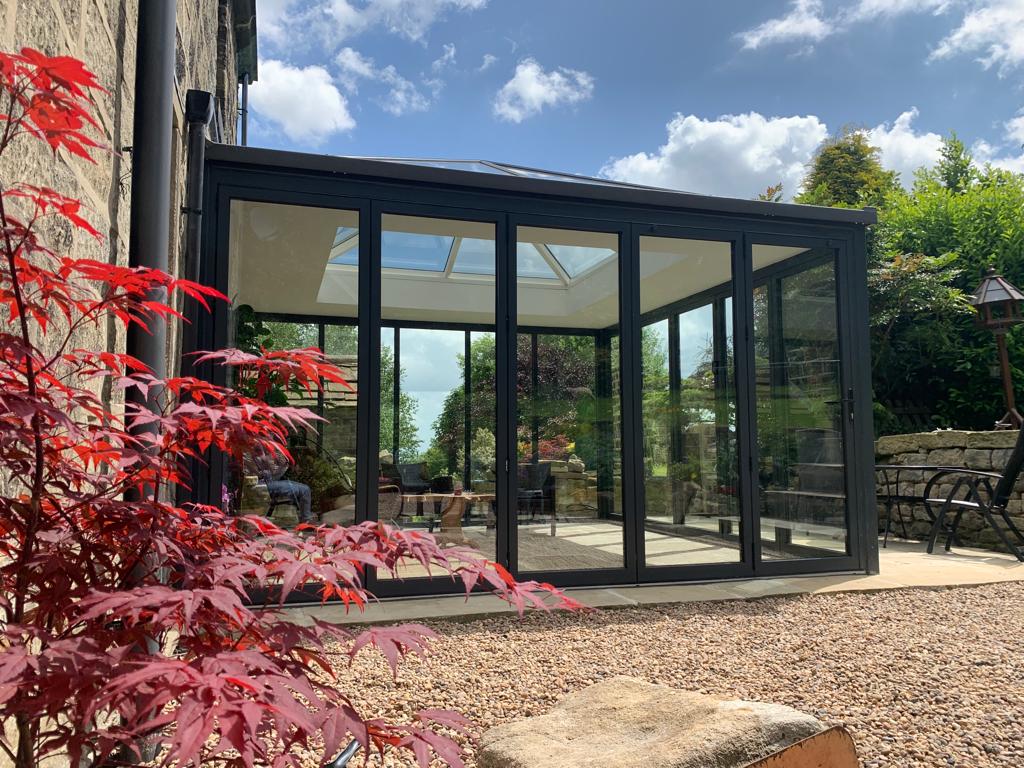
The position of your conservatory can have a significant impact on how hot it becomes. South-facing conservatories typically receive the most sunlight throughout the day, meaning they are exposed to more solar gain.
Solar gain refers to the amount of heat that enters a building through windows and glass. During colder months, this can be beneficial because it helps warm the room naturally and can reduce heating costs. However, in summer, excessive solar gain can make the space difficult to use.
East-facing conservatories may become very warm in the morning due to direct sunlight, while west-facing conservatories often experience overheating later in the afternoon as the sun sets.
Adding solutions such as solar control glass can help reduce heat entering the room while still allowing natural light into the space.
Standard Glass May Not Provide Enough Protection
The type of glass used in your conservatory plays a huge role in how much heat enters the room.
While traditional glass is effective at allowing natural light into your home, it does little to reduce the amount of solar energy passing through. This means the conservatory can quickly absorb heat from the sun and become uncomfortable.
Modern glazing technology has developed significantly, offering homeowners more options to improve comfort all year round. Solar control glass is designed to reduce unwanted solar heat while maintaining brightness, helping create a cooler environment without removing the open feel of the room.
Choosing the right glass solution can improve energy efficiency, reduce glare, provide UV protection, and help prevent harmful UV rays from damaging furniture and interiors.
Other Factors That Affect Conservatory Temperature
While glass is one of the most important factors, several other elements can influence how hot your conservatory becomes:
Size and Design
Larger conservatories with more glass surface area naturally allow more sunlight and heat into the room. The shape and design of the roof can also affect how much direct sunlight enters.
Flooring Materials
Certain flooring materials absorb heat more than others. Stone flooring and tiled floors can become warm during the day and release heat slowly, contributing to higher temperatures in the evening.
Location and Surroundings
Trees, nearby buildings, and garden features can affect how much sunlight your conservatory receives. A conservatory exposed to direct sunlight all day will generally experience more overheating than one with natural shade.
Natural shade can provide a cooling effect and help create a cooler environment, especially during the hottest parts of the day.
How to Keep Your Conservatory Cool
If your conservatory is too hot, there are several ways you can improve the space:
- Improve ventilation by increasing airflow and circulating air
- Add roof vents to allow warm air to escape
- Install energy-efficient glazing
- Consider upgrading older conservatory roof
- Add a ceiling fan or air conditioning units for additional comfort
- Use glass such as solar control glass or thermal insulated glass units (IGUs)
Air conditioning units can help cool a conservatory quickly, but they often treat the symptom rather than the cause. Improving insulation, glazing, and ventilation can provide a longer-lasting cooling solution.
A better insulated conservatory can also help retain heat during colder months, reducing heat loss and improving overall energy efficiency.
How Can Different Glass Types Help Reduce Overheating?
At UKO Glass, we understand that every project is different, which is why we offer a range of glass options designed to improve comfort and performance.
Our solar control glass is specifically designed to reduce unwanted solar heat entering your conservatory, helping to prevent overheating while still allowing plenty of daylight into the space. Want to find out more? Drop us an email on theteam@ukoglass.co.uk today.
Pingback: What Are Integral Blinds? - UKO Glass