What Are Walk-On Roof Lights?
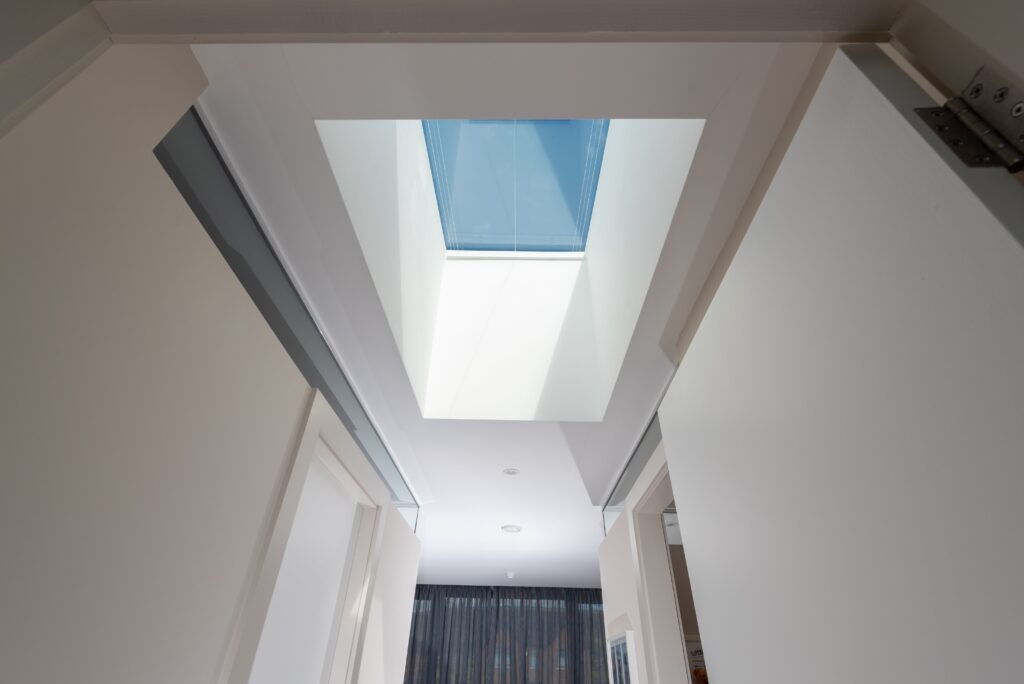
What Are Walk-On Roof Lights? Walk-on roof lights are an innovative solution for modern architectural designs, allowing natural light to flow through indoor spaces while providing a functional surface that can bear weight. Unlike traditional roof lights, these specialised glazing solutions are engineered to support foot traffic, making them ideal for flat roof terraces, roof terraces, balconies, and other areas where people may walk. What are Walk-On Roof Lights? All walk-on roof lights are designed to be both aesthetically pleasing and functional. These structures allow natural light to flood into lower levels of a building while providing a durable surface that can withstand the pressure of foot traffic. They are typically made from toughened glass, which is known for its strength and resilience. Key Features Durability Most walk-on roof lights are constructed from toughened or laminated glass, ensuring they can withstand regular foot traffic, impact, and weight without shattering. Design Flexibility Available in various shapes and sizes, glass rooflights offer extensive customisation options, allowing for natural light while being user-friendly for pedestrian traffic. Thermal Efficiency Walk-on roof lights are designed with thermal insulation properties, helping to maintain energy efficiency in buildings. The inclusion of toughened low E glass in these designs further enhances thermal efficiency by complying with various standards. Applications They are versatile and are useful in various applications. Let’s take a look at some of the most popular uses. Residential Spaces Ideal for homes with roof terraces or gardens, roof lights allow plenty of natural light while providing usable outdoor space. Installing a roof window can further enhance natural daylight in homes, making the space more comfortable and energy-efficient. Commercial Buildings Frequently used in offices and retail spaces to create attractive, light-filled environments. Rooflights designed to be safely walked on, known as ‘walk on glass’, offer additional benefits for commercial applications by providing plenty of natural light and an arcitechual focal point. Public Areas Parks, museums, and galleries often utilise walk-on roof lights to enhance the visitor experience by integrating natural light. They play a crucial role in enhancing natural light in public areas, such as hotels and aquariums, offering versatile and aesthetically appealing solutions. The Importance of Safety in Walk-On Roof Lights Given their unique purpose, safety is a paramount concern in the design and installation of walk-on roof lights. These structures must meet specific safety classifications to ensure they can withstand potential hazards. Safety Classifications Walk-on roof lights are classified based on their ability to prevent accidents and injuries. The key classifications include: · Class 0: Designed for areas with frequent foot traffic, such as roof terraces. These roof lights can support significant loads and are made of thicker glass. · Class 1: Intended for maintenance areas where foot traffic is infrequent. Their construction can handle occasional weight but not regular use. · Class 2: This is the default classification for non-fragile roof lights. They are designed to prevent falls, even if the upper pane breaks. · Class 3: Considered fragile, you should only install roof lights in areas where there is no risk of foot traffic. To ensure safety, these structures undergo rigorous testing according to industry standards. Materials Used in Walk-On Roof Lights The materials chosen for walk-on roof lights play a significant role in their performance and safety. Rooflights walk not only offer impressive visual effects in various settings such as aquariums and hotels but also come in diverse design options, including different types of glass finishes and customised designs. The most common materials include toughened glass and laminated glass. Toughened Glass Toughened glass is a popular choice due to its strength and durability. This type of glass is treated through a heating and cooling process that increases its resistance to impact and thermal stress. Advantages: Laminated Glass Laminated glass consists of two or more layers of glass bonded together with an interlayer. This structure enhances safety by preventing the glass from breaking apart. Advantages: Installation Considerations Proper installation is crucial for the functionality and safety of walk-on roof lights. You should consider several factors during the installation process. Structural Support Before installation, it is essential to assess the structural integrity of the roof. The supporting framework must be capable of bearing the additional weight of the roof light and any potential foot traffic. Weatherproofing To prevent leaks and water damage, install walk-on roof lights with effective weatherproofing measures. The roof covering plays a crucial role in this process by applying weatherproofing materials to the upstand’s side as part of the overall flat roof construction. This includes using appropriate sealants and ensuring proper drainage systems are in place. Compliance with Regulations Local building codes and regulations dictate the standards for installation. It is vital to ensure that all installations comply with these regulations to avoid legal issues and ensure safety. Benefits of Walk-On Roof Lights Integrating walk-on roof lights into architectural designs offers numerous benefits. These advantages extend beyond aesthetics and can significantly enhance the functionality of a space. Enhanced Natural Light One of the primary benefits are their ability to allow natural daylight to enter a building. This can create a more inviting and pleasant atmosphere while reducing the need for artificial lighting. Improved Energy Efficiency By maximising natural light, walk-on roof lights can contribute to energy savings. Buildings that utilise natural light can reduce their reliance on artifical lighting, leading to lower energy bills. Versatility in Design Walk-on roof lights provide architects and designers with the flexibility to create unique and innovative spaces. Choosing the Right One Selecting the appropriate walk-on roof light for a specific application requires careful consideration of various factors. Assessing Foot Traffic Understanding the expected foot traffic in the area, such as a roof terrace, is crucial. High-traffic areas require more robust roof lights, whereas infrequently accessed spaces may utilise lighter options. Aesthetic Preferences The design and appearance of the roof light should align with the overall architectural vision. Consider factors such as shape, size, and glass type to achieve the desired aesthetic. Looking for Toughened
What Are Walk-On Roof Lights? Read More »